
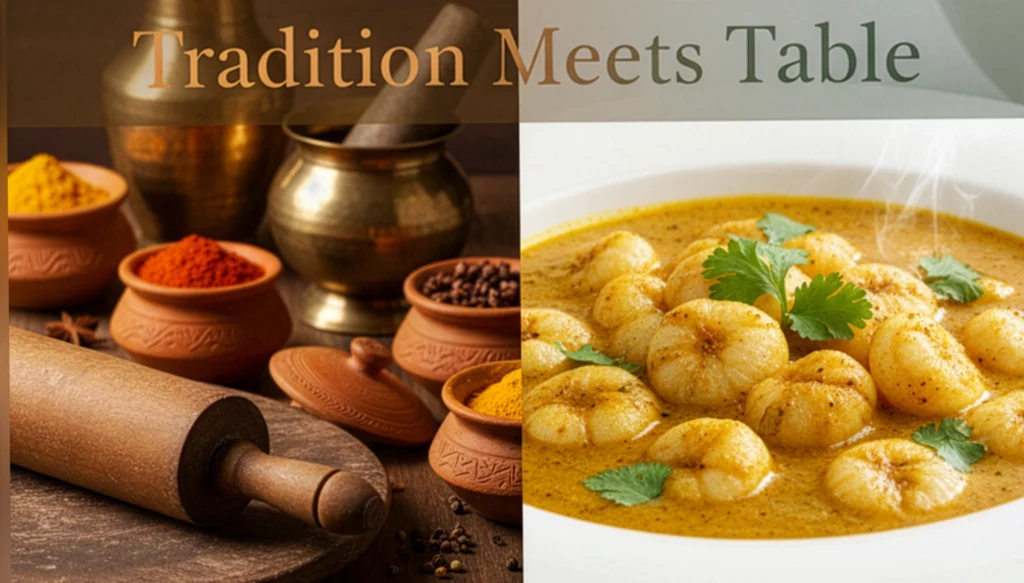
Introduction: The Art of Traditional Makhana Curry
Phool makhana curry represents centuries of Indian culinary wisdom—a dish that honours both the delicate nature of makhana seeds and the rich, aromatic tradition of Indian spice mastery. Far from being a simple side dish, authentic makhana curry is a celebration of technique, ingredient quality, and understanding of how this precious superfood responds to heat and flavour.
Unlike recipes that treat makhana as an afterthought, the traditional approach begins with respecting the seed itself—its texture, its nutritional integrity, and its role as both a flavour carrier and a nutritional powerhouse. This is the Samaza philosophy: creating curry recipes that bring out the best in premium makhana while maintaining the wellness benefits that have made this seed revered for millennia.
Whether you’re preparing this dish for a festival, a family gathering, or your own wellness journey, this guide will walk you through creating an authentic phool makhana curry that tastes restaurant-quality while nourishing your body deeply.
Understanding Phool Makhana: The Foundation of Great Curry
Before diving into the cooking process, it’s essential to understand what makes quality makhana crucial to curry success.
What is Phool Makhana?
Phool Makhana refers to the popped, cleaned seeds of the Euryale ferox water lily, primarily cultivated in Bihar, India. The term “phool” (flower) references the delicate appearance of the seeds once they’ve been processed and dried. Unlike raw makhana, phool makhana is ready for direct roasting and cooking, making it the preferred choice for curry preparation.
Why Quality Matters in Curry
The texture and flavor of your final curry depend entirely on makhana quality:
- Premium makhana (like Samaza’s carefully graded seeds) maintains a light, crispy exterior while staying tender inside when cooked in gravy.
- Lower-grade makhana becomes mushy, absorbs excessive oil, and loses its distinctive mouthfeel.
- Improperly dried makhana may contain moisture that causes it to break apart during roasting.
Investing in quality makhana transforms curry preparation from a chore into a pleasure.
Samaza Commitment to Curry Excellence
Samaza sources directly from Bihar’s finest cultivators, ensuring makhana that:
- Maintains optimal moisture balance (critical for roasting).
- Delivers consistent crispness when toasted.
- Absorbs curry flavours without disintegrating.
- Retains maximum nutritional integrity through proper storage.
The Science Behind Traditional Makhana Curry
Understanding the “why” behind each traditional step elevates your cooking from mechanical follow-through to intuitive mastery.
The Three-Stage Cooking Process
1. Stage One: Roasting (The Foundation)
Roasting makhana before adding it to curry serves multiple purposes:
- Develops a nutty, toasted flavour that deepens curry complexity
- Creates the crispy-tender texture contrast that defines quality makhana curry
- Removes residual moisture, allowing proper flavour absorption
- Activates enzymes that enhance digestibility (Ayurvedic wisdom about “Agni” or digestive fire)
2. Stage Two: Masala Development (The Soul)
Creating the spice base through careful tempering and cooking draws out essential oils and creates the aromatic foundation that makes traditional curry distinctive. This stage cannot be rushed.
3. Stage Three: Integration (The Harmony)
Adding roasted makhana into the finished gravy at precisely the right moment ensures it remains crispy while absorbing just enough sauce for flavor without becoming waterlogged.
Why Traditional Timing Matters
Many modern recipes add makhana too early, resulting in soggy seeds that lose their distinctive texture. The traditional approach—adding makhana near the end—preserves what makes this curry special: the interplay between crispy seed and creamy, aromatic gravy.
The Traditional Phool Makhana Curry Recipe
Ingredients (Serves 4-6)
For the Makhana:
- 2 cups premium phool makhana (Samaza recommended)
- 3 tablespoons ghee (for roasting)
- Salt to taste
For the Curry Base:
- 3 tablespoons ghee
- 1 medium onion (about 150g), finely chopped
- 1 tablespoon ginger-garlic paste (freshly prepared)
- 2 medium tomatoes (about 300g), chopped
- 1/4 cup raw cashews
- 1/4 cup poppy seeds (khus-khus)
For Spice Masala:
- 1/2 teaspoon cumin seeds (jeera)
- 1/4 teaspoon asafoetida (hing)
- 1/2 teaspoon turmeric powder (haldi)
- 1 teaspoon red chili powder (adjust to taste)
- 1.5 teaspoon coriander powder (dhania)
- 1 teaspoon garam masala
For Finishing:
- 1/2 cup fresh heavy cream (malai)
- 1/2 cup water
- 2 tablespoons chopped fresh coriander (cilantro)
- 1/2 teaspoon Kasuri methi (dried fenugreek leaves, optional)
- Salt to taste
Step-by-Step Traditional Preparation
Step 1: Prepare Your Makhana (5 minutes)
The Traditional Roasting Method
The art of roasting makhana begins with understanding its sensitivity to heat:
- Heat a heavy-bottomed kadai (wok) or large pan over medium-low heat for 1 minute
- Add 3 tablespoons of ghee and allow it to become warm (not smoking)
- Once ghee is warm, add makhana gradually, stirring continuously
- Keep the heat at medium-low throughout—high heat will cause exterior burning while the interior remains uncooked
- Stir constantly for 8-10 minutes, watching for the colour change from white/cream to light golden brown
- You’ll notice makhana will absorb all the ghee—this is normal and desired
- Once the makhana reaches a light golden color and the aroma becomes nutty (a key signal of readiness), transfer to a plate
- Important: Let the roasted makhana cool for 2-3 minutes before setting aside
Why This Approach:
- Low heat prevents the exterior from hardening before the interior cooks
- Continuous stirring ensures even roasting
- The visual and aromatic cues tell you when makhana is perfectly done
- Cooling briefly prevents makhana from absorbing excess moisture when it hits the cooler curry
Step 2: Prepare the Masala Paste (8-10 minutes)
The Traditional Two-Ingredient Base
Traditional makhana curry builds its flavour base through two complementary ingredients that traditional cooks understand as the foundation:
Preparing Cashew-Poppy Seed Paste:
- In the same kadai (after removing roasted makhana), add 1 tablespoon of ghee
- Add 1/4 cup raw cashews and fry on low-medium heat for 2-3 minutes until light golden
- Add 1/4 cup poppy seeds (khus-khus) and continue frying on the lowest heat for 2-3 minutes
- Important: Poppy seeds burn easily; stir constantly and use lowest heat
- You’ll smell a distinct nutty, earthy aroma when ready
- Remove from heat and let cool to room temperature (about 5 minutes)
- Once cool, grind to a fine powder using a spice grinder or mortar-pestle
- Set aside this precious paste—it’s the secret to rich, creamy curry without cream
Why Cashew-Poppy Paste:
- Creates a naturally creamy base that’s more traditional than dairy cream alone
- Cashews provide richness and nutrient density
- Poppy seeds add subtle earthiness and thickness without flour
- This combination is lighter on digestion than heavy cream-based curries (Ayurvedic wisdom)
Step 3: Create the Tomato Foundation (12-15 minutes)
The Art of Building Masala
The masala—the spice-based sauce—is the soul of the curry and requires patience and careful attention:
- Heat 3 tablespoons fresh ghee in the kadai over medium heat
- Add chopped onions and cook, stirring occasionally, until they turn soft and golden (4-5 minutes)
- Don’t rush this step; golden onions create sweetness and depth
- Avoid browning too heavily, which creates harshness
- Once onions are golden, add 1 tablespoon ginger-garlic paste
- Stir and cook for 1-2 minutes until the raw garlic smell disappears
- Add chopped tomatoes to the mixture
- Cook on medium heat for 5-7 minutes, stirring occasionally
- The tomatoes should break down completely, creating a pulpy base
- Add salt to taste—this helps tomatoes release moisture
What You’re Looking For:
- A thick, concentrated tomato base
- Oil is beginning to separate slightly from the masala at the sides
- A rich, deep red colour (not bright red)
Step 4: Incorporate the Spice Masala (8-10 minutes)
The Crucial Spice Integration
This is where technique separates authentic curry from ordinary:
- Reduce heat to medium-low
- Add the ground spices in this order, stirring after each addition:
- 1/2 teaspoon turmeric powder
- 1 teaspoon red chili powder
- 1.5 teaspoon coriander powder
- 1 teaspoon garam masala
- After adding each spice, cook for 30 seconds to 1 minute
- This tempering process “blooms” the spices, releasing their essential oils
- You’ll notice the curry smell deepen and transform
- Continue cooking the combined spice base on medium-low heat for 3-4 minutes, stirring frequently
- The oils should start separating from the tomato-spice base again
The Critical Sign:
When you see a thin layer of oil on the surface of the masala, you know the spices are properly cooked. This is your signal to proceed.
Step 5: Add the Cashew-Poppy Paste (5 minutes)
Creating the Creamy Foundation
This step brings richness without requiring excessive cream:
- Add the cooled cashew-poppy seed paste to the masala
- Stir thoroughly, breaking up any clumps
- Cook on low heat for 2-3 minutes, stirring continuously
- The paste will incorporate smoothly into the masala
- The curry should begin looking noticeably richer and creamier
Why Separate This Step:
Adding the paste too early causes it to brown excessively. Adding it at this stage allows it to integrate without losing nutritional value or becoming burnt.
Step 6: Build the Gravy Consistency (5-7 minutes)
The Traditional Curry Body
Now you create the gravy that will carry all these beautiful flavours:
- Add 1/2 cup of water to the masala
- Stir well to create a uniform consistency
- Bring to a gentle simmer on medium heat
- Let simmer for 3-4 minutes, allowing the flavours to meld
- The gravy should be neither too thick nor too thin
- Too thick: Add 2-3 tablespoons of water and stir
- Too thin: Simmer additional 2-3 minutes to reduce
The Perfect Consistency:
When a spoon is dipped into the curry and lifted, the gravy should coat the spoon with a thin, visible layer. This indicates the perfect body for absorbing into makhana.
Step 7: Temper the Spices (Optional but Traditional) (3 minutes)
The Aromatic Finishing Touch
Some traditional cooks add a tempering step for extra aromatic depth:
- In a small pan, heat 1 tablespoon of ghee over medium heat
- Add 1/2 teaspoon cumin seeds and let them splutter (10-15 seconds)
- Add 1/4 teaspoon asafoetida (hing)
- Immediately pour this sizzling ghee and spices into the curry
- Stir quickly to distribute
This creates an extra layer of aromatic complexity.
Step 8: Add the Roasted Makhana (3 minutes)
The Moment of Union
This is where all your preparation comes together:
- Gently fold the roasted makhana into the curry
- Stir carefully—avoid breaking the seeds
- Cook for 2-3 minutes on low heat
- The makhana will absorb curry flavors while maintaining its crispy texture
Key Point:
Don’t cook the makhana in the curry for more than 3-4 minutes total, or it will become soft and waterlogged. The beauty is the contrast between crispy seed and aromatic gravy.
Step 9: Finish with Cream and Garnish (3 minutes)
The Final Flourish
The last steps transform curry into restaurant-quality presentation:
- Add 1/2 cup fresh heavy cream (or half-and-half for lighter option)
- Stir gently to combine, creating a luxurious sauce
- Heat through for 1-2 minutes on low heat (don’t boil)
- Taste and adjust salt and spice as needed
- Sprinkle with 1/2 teaspoon Kasuri methi (dried fenugreek leaves) if using—this adds subtle bitterness complexity
- Garnish generously with 2 tablespoons fresh coriander
Final Presentation:
- Float a few cashew pieces on top for visual appeal
- Ensure a thin layer of cream-colored ghee is visible on the surface
Total Cooking Time: 45-50 minutes (Including Prep)
Serving Suggestions: The Complete Experience
Perfect Pairings
With Breads:
- Phulka (Roti): Light, everyday pairing that lets curry shine
- Paratha: Richer, indulgent option for special occasions
- Naan: Traditional North Indian choice with restaurant authenticity
- Poori: Traditional Rajasthani pairing (especially with vegetable curries)
With Rice:
- Basmati Rice: Light, aromatic grain that complements curry elegantly
- Pulao: Spiced rice version for a complete one-dish meal
- Steamed white rice: A Simple option that lets curry flavours dominate
Traditional Serving Temperature
Phool makhana curry is best served immediately after garnishing, while:
- Makhana is still crispy on the exterior
- Cream is warm but not hot
- Spices are aromatic and fresh
- Coriander flavour is vibrant
Nutritional Benefits: Why This Curry Nourishes
Nutritional Breakdown (Per Serving – 4 servings)
Component | Nutritional Benefit | Ayurvedic Significance |
Makhana (2 cups) | Protein: 19g, Fiber: 29g, Magnesium: High | Balya (strength), Ojas-building (vitality) |
Ghee (6 tbsp total) | Healthy fats, fat-soluble vitamins, butyric acid | Supports digestion, lubricates tissues, Pitta-calming |
Cashews & Poppy Seeds | Vitamin E, minerals, plant-based fats | Nourishment, energy boost, nerve support |
Tomatoes | Lycopene, Vitamin C, antioxidants | Pitta support, detoxification |
Cream | Calcium, fat-soluble vitamins | Tissue nourishment, immunity support |
Spices (Garam masala, turmeric) | Anti-inflammatory compounds, warming properties | Digestion support, inflammation reduction |
Per-Serving Approximate Nutrition (serving size: 1.5 cups)
- Calories: 320-350 kcal
- Protein: 10-12g
- Fiber: 7-9g
- Healthy Fats: 18-20g
- Carbohydrates: 25-28g
- Magnesium: 45% of daily value
- Calcium: 15% of daily value
Why This Curry is Deeply Nourishing
From an Ayurvedic Perspective:
- Balancing all doshas: Cooling tomatoes and spices balance Pitta; grounding ghee calms Vata; light ingredients prevent Kapha stagnation
- Supports Agni (Digestive Fire): Warm spices and ghee kindle digestion without overwhelming the system
- Builds Ojas (Vital Essence): High-quality ingredients nourish at the deepest level
- Easy Digestion: The combination of properly cooked spices and makhana’s natural properties support smooth, complete digestion
From a Modern Nutritional Perspective:
- Complete Protein Profile: Makhana + cashews + poppy seeds create complete amino acid spectrum
- Anti-inflammatory: Turmeric, ginger-garlic, and makhana’s antioxidants combat inflammation
- Heart Healthy: High potassium, low sodium, beneficial fats support cardiovascular health
- Blood Sugar Stable: Makhana’s low glycemic index prevents energy crashes
Variations and Adaptations: Honoring Tradition While Respecting Needs
The Regional Variations
Punjabi Style (Rich & Creamy)
- Add 1/4 cup khoya (dried milk solids) for extra richness
- Increase cream to 3/4 cup
- Add green peas (1/2 cup) cooked separately
- Best with paratha or naan
Rajasthani Style (Lighter & Spiced)
- Reduce cream to 1/4 cup
- Add 1/2 teaspoon ajwain (carom seeds) while tempering
- Include 1 green chili (chopped finely)
- Serve with poori for traditional celebration
Bengali Style (Coconut-Cashew Base)
- Replace 1/4 cup cream with coconut milk
- Add 1 teaspoon coconut oil
- Reduce ghee slightly
- Serve with steamed basmati rice
For Dietary Adjustments
Vegan Adaptation:
- Replace ghee with coconut oil or sesame oil
- Replace cream with coconut cream or cashew cream (blend soaked cashews with water)
- Use the cashew-poppy base as primary richness
Lower-Calorie Version:
- Reduce ghee from 6 tablespoons to 4 tablespoons
- Replace heavy cream with Greek yogurt (add after heat, don’t boil)
- Increase water slightly to 3/4 cup
- Maintains flavor while reducing calories by ~80-100 per serving
For Mild Palates:
- Reduce red chili powder from 1 teaspoon to 1/2 teaspoon
- Add extra coriander powder for flavor depth without heat
- Include fresh mint (2 tablespoons chopped) for coolness
Storage and Reheating: Maintaining Quality
Proper Storage
Refrigerator:
- Store in airtight glass container
- Keeps for 3-4 days in refrigerator
- Important: Store makhana separately from gravy if possible
- Keeps makhana crispier
- Prevents texture degradation
Freezer:
- Freeze gravy (without makhana) in freezer-safe containers
- Keeps up to 2 months
- Thaw overnight in refrigerator before reheating
- Add freshly roasted makhana when serving
Reheating Without Compromising Quality
Traditional Method (Best for Texture):
- Heat the curry base in a kadai over low-medium heat
- Add 2-3 tablespoons of water (curry will thicken during storage)
- Once heated through (5-7 minutes), fold in freshly roasted makhana
- Add a drizzle of fresh cream to restore silkiness
- Garnish with fresh coriander
- Serve immediately
This ensures makhana maintains maximum crispness in every reheated serving.
The Samaza Difference: Why Makhana Quality Transforms Your Curry
The difference between good and exceptional makhana curry is precisely captured in makhana quality. Samaza’s commitment ensures:
Quality Factors That Matter:
- Optimal Moisture Content: Allows perfect roasting without burning or remaining dense
- Consistent Size: Creates even cooking and uniform texture throughout curry
- Grading Standards: Removes broken or discoloured seeds that detract from presentation
- Freshness: Direct sourcing from Bihar ensures seeds haven’t degraded in transit
- Chemical-Free Cultivation: Honors both your health and environmental sustainability
When you use Samaza makhana, every step of this recipe delivers excellence because you’re working with seeds that have been cultivated, processed, and preserved with care.
Troubleshooting Common Issues
- Problem: Makhana Becomes Soft/Mushy
Cause: Cooking in gravy for too long or using low-quality makhana that was improperly stored.
Solution:
- Add makhana only in the final 2-3 minutes
- Use premium Samaza makhana
- Store makhana in a cool, dry place away from moisture
Problem: Curry is Too Oily
Cause: Excessive ghee or improper masala cooking
Solution:
- Ensure masala releases oil before adding water (sign of proper cooking)
- Reduce the ghee amount by 1-2 tablespoons
- Skim excess oil before serving
Problem: Curry is Too Thin
Cause: Added too much water or cooked for insufficient time
Solution:
- Simmer additional 3-4 minutes to reduce
- Adding cashew-poppy paste provides natural thickness
- Don’t add all the water at once; add gradually
Problem: Spices Taste Raw or Harsh
Cause: Insufficient tempering of spice masala
Solution:
- After adding spices, cook 3-4 minutes before proceeding
- Ensure oil is separating from masala before adding liquid
- Use Kasuri methi and the tempering step for depth
Problem: Cream Breaks or Separates
Cause: Adding cold cream to hot curry or boiling after adding cream
Solution:
- Warm the cream to room temperature before adding
- Add when the curry is at a simmer (not boil)
- Heat 1-2 minutes after adding, don’t boil
- Stir gently while heating
The Philosophy: Why Traditional Method Matters
Creating phool makhana curry the traditional way isn’t about following rules—it’s about understanding the “why” behind each technique. When you respect the ingredient (Samaza’s premium makhana), honour the process, and prepare with intention, you create more than a dish. You create:
- A sensory experience: Each element—crispy makhana, aromatic spices, creamy sauce—plays its role
- A nourishing meal: Properly prepared food supports your body’s deepest health
- A cultural connection: You’re participating in culinary traditions that have sustained generations
- A moment of presence: The act of careful cooking grounds you in the present moment
Conclusion: The Samaza Culinary Journey
Phool makhana curry, prepared the traditional way, represents the intersection of ancient wisdom and modern accessibility. With Samaza’s premium makhana and this detailed guide, you have everything needed to create a curry that tastes exceptional while nourishing your body at the deepest level.
This isn’t merely a recipe—it’s an invitation to slow down, honour your ingredients, and create something beautiful that you’ll savour with each spoonful.