Samaza | Premium Makhana Manufacturer & Bulk Supplier India

Pure Ingredients. Honest Origins

Makhana Recipes

All makhana related recipes including traditional, modern twists, cuisine specific, dietary related and so on

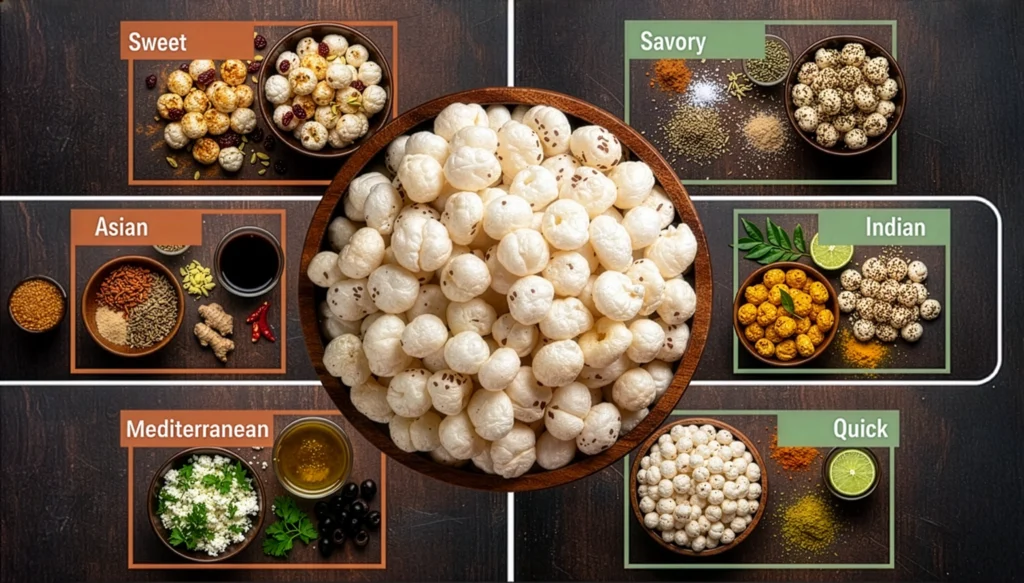
The Makhana Kitchen Hack: 15 Quick, Creative Ways to Use Makhana Beyond Snacking

Discover the Versatile Ingredient That’s About to Transform Your Cooking Have you ever wondered why makhana is relegated to the snack bowl? Why is this extraordinary ingredient confined to being roasted, salted, and eaten straight from a package when it has so much more potential? The truth is, makhana—with its delicate texture, neutral flavour profile, and remarkable nutritional density—is one of the most versatile ingredients hiding in plain sight in your pantry. For centuries, makhana has been a staple in Indian kitchens, but largely as a time-honoured snack or a component in specific dishes like kheer. But what if we told you that makhana deserves a place alongside your flour, your oats, your pasta? What if we told you that this humble ingredient could revolutionize everything from your morning smoothie bowl to your dinner risotto, from your homemade energy bars to your plant-based milk alternative? Welcome to the makhana revolution—where creative cooking meets nutritional intelligence. Why Makhana Deserves More Kitchen Real Estate Before we dive into the 15 hacks that will change how you cook, let’s talk about why people have underestimated makhana for so long. The Snacking Trap – Most of us know makhana as a convenient, healthy snack—light, crispy, low in calories, and satisfying. We eat it while watching television or as a quick office desk snack. It serves this purpose beautifully. But this narrow association has limited makhana’s culinary identity. We see it as a snack ingredient, not a cooking ingredient. We don’t imagine it in risottos or energy bars or plant-based milks because we haven’t been taught to. The Nutritional Superpowers – Here’s what changes everything: makhana is nutritionally exceptional. It’s high in protein and fiber, low in fat and sodium, and rich in magnesium, potassium, and antioxidants. It’s naturally gluten-free and has a low glycemic index, making it ideal for diverse dietary needs. When you understand these nutritional profiles, you start seeing makhana not just as a snack, but as a functional ingredient that can enhance virtually any dish. The Culinary Magic – From a cooking perspective, makhana is remarkably flexible. It absorbs flavors beautifully when used in wet preparations like risottos and curries. It adds satisfying crunch to salads and grain bowls. It can be ground into flour for baking or blended into creamy plant-based alternatives. Its mild, slightly sweet flavor means it complements both savory and sweet dishes without overpowering other ingredients. The real question isn’t “Can makhana be used in these ways?” The question is: “Why haven’t we been using it all along?” HACK #1: Makhana Flour for Gluten-Free Baking The Game-Changer Flour You Didn’t Know You Needed Why This Hack Works Makhana flour is a gluten-free baker’s dream. Unlike some alternative flours that are heavy or require complex binding agents, makhana flour has a delicate structure that creates light, tender baked goods. It’s rich in protein and fiber, adding nutritional value to every cookie, muffin, and brownie. When combined with other gluten-free flours in a 1:1 ratio, it enhances texture and adds subtle sweetness. Simple Ingredients Dried makhana pearls Food processor or high-powered blender Step-by-Step Instructions Dry your makhana in the oven at 120°C for 10-15 minutes (ensuring they’re completely dry) Cool completely (about 5 minutes) Add to your food processor, pulse until finely ground Pass through a fine-mesh sieve to ensure consistency Store in an airtight container Time to Prepare: 20 minutes | Difficulty: Easy Beautiful Description: Makhana flour is pale, almost ivory in color—finer than cornmeal but not as dense as regular wheat flour. When baked into cookies, it creates a delicate crumb with a tender bite that melts on your tongue. Storage Tips: Keep in an airtight container in a cool, dry place for up to 3 months. For longer storage (6 months), refrigerate. Pairing Suggestions: Use in chocolate chip cookies, banana muffins, or gluten-free brownies. Substitute up to 30% of wheat flour in traditional recipes. Pro-Tip: Toast your makhana before grinding for a slightly deeper, nuttier flavor profile that works beautifully in brownies and chocolate-based bakes. HACK #2: Makhana Protein Smoothie Bowl Breakfast Meets Nutrition Lab Why This Hack Works Makhana adds protein and satiety to smoothie bowls without the chalky texture of protein powder. The slight crunch contrasts beautifully with creamy bases, and the high fiber content means you stay full until lunch. Unlike traditional smoothie toppings that soften quickly, roasted makhana maintains its texture even when exposed to wet ingredients. Simple Ingredients 1 cup yogurt or plant-based milk 1 frozen banana 1/2 cup berries 2-3 tablespoons roasted makhana 1 tablespoon almond butter Honey or maple syrup to taste Step-by-Step Instructions Blend yogurt, frozen banana, berries, and almond butter until smooth Pour into a bowl Top with roasted makhana, granola, fresh berries, and a drizzle of honey Add a sprinkle of coconut flakes or chia seeds Eat immediately while makhana is still crispy Time to Prepare: 8 minutes | Difficulty: Easy Beautiful Description: A jewel-toned smoothie base crowned with contrasting textures—the ivory crunch of makhana pearls against violet berries and golden granola, finished with a swirl of creamy almond butter. Storage Tips: Prepare the smoothie base up to 2 hours in advance. Add toppings, including makhana, just before eating to maintain crispness. Pairing Suggestions: Pair with Greek yogurt for extra protein, or use coconut milk for a vegan version. Variation: Create an açai-based version with makhana, or blend makhana directly into the smoothie for a creamier texture (though you’ll lose the satisfying crunch). HACK #3: Makhana in Cold Coffee Texture Meets Temperature Why This Hack Works This is the hack that proves makhana works in unexpected places. The roasted pearls stay crispy even when submerged in cold coffee, adding textural intrigue and nutrition to your morning caffeine fix. The subtle sweetness of makhana complements coffee beautifully without requiring added sugar. Simple Ingredients 1 cup cold brewed coffee 1/2 cup milk or milk alternative 1-2 tablespoons roasted makhana Honey or simple syrup (optional) Ice Step-by-Step Instructions Pour cold brew coffee into a glass Add milk and sweetener if

The Makhana Kitchen Hack: 15 Quick, Creative Ways to Use Makhana Beyond Snacking Read More »

Pregnant, Fasting, or Special Diet? Makhana’s Flexibility Across Life Stages

One Food, Infinite Possibilities Meera, 28, is pregnant with her second child. She’s exhausted, her digestion is sluggish, and she’s constantly searching for snacks that feel nourishing without feeling heavy. Rajesh, 54, has just been diagnosed with Type 2 diabetes. He’s grieving the loss of “normal” eating and worried about the food restrictions ahead. Priya, 65, is post-menopausal and increasingly concerned about her bone health. Her mother developed osteoporosis, and she’s determined not to follow that path. Arjun, 8, is a picky eater whose parents worry he’s not getting enough protein and calcium. They’re searching for snacks he’ll actually eat. These four people have nothing in common—except one thing. Each of them can benefit from the same food: makhana. This isn’t marketing magic. It’s biology. Makhana’s unique nutritional profile—complete protein, complex carbohydrates, essential minerals, zero common allergens—makes it genuinely adaptable to almost every life stage and dietary need. Not as a replacement for personalized medical advice. But as a whole-food foundation that works within different nutritional frameworks rather than against them. Let’s explore how makhana fits into the specific nutritional needs of your life stage. For Pregnant & Nursing Mothers: Nourishing Two Bodies Pregnancy is simultaneously the most beautiful and most nutritionally demanding phase of a woman’s life. Your body is literally building another human. Your nutrient requirements skyrocket. And your digestive system is working against you. Why Makhana Works for Pregnancy Pregnancy creates specific nutritional demands that makhana addresses beautifully: Calcium for Fetal Bone DevelopmentYour baby’s skeletal system depends entirely on your calcium intake. Inadequate calcium during pregnancy forces your body to leach calcium from your own bones to supply the fetus—potentially compromising your bone health for decades. Makhana provides approximately 60mg of calcium per 100g (about 18mg per 30g serving). Combined with dairy products, leafy greens, and other calcium sources, makhana contributes meaningfully to daily calcium requirements. Folate for Neural Development Folate (vitamin B9) is critical for preventing neural tube defects. Research shows that adequate folate supplementation reduces neural tube defects by 50-70%. Makhana contains folate, particularly in sprouted forms. Combined with other folate sources (leafy greens, legumes, fortified grains), makhana contributes to adequate folate intake. Fiber for Constipation Relief Pregnancy hormones slow digestion, and the growing uterus compresses your digestive system. Result: 40-50% of pregnant women experience constipation. Makhana’s 14.6g fiber per 100g (approximately 4.4g per 30g serving) provides genuine relief without the side effects of medications. The fiber absorbs water and promotes bowel movements naturally. Magnesium for Leg Cramps & Sleep Leg cramps affect 30-40% of pregnant women, particularly in the second and third trimesters. Makhana provides 67mg magnesium per 100g (approximately 20mg per 30g serving). Magnesium relaxes muscles and prevents the cramping that disrupts sleep and quality of life. Low Glycemic Index for Gestational Diabetes Prevention Gestational diabetes affects 3-10% of pregnancies and increases long-term Type 2 diabetes risk in both mother and child. Makhana’s glycemic index is approximately 37, significantly lower than rice (GI ~70), bread (GI ~75), or potatoes (GI ~85). This slow carbohydrate release helps regulate blood sugar without spiking glucose levels. Safe Portions During Pregnancy General guideline: 25-30 grams (approximately ¼ to ½ cup) daily Best consumed: Mid-morning snack or afternoon snack (when blood sugar naturally dips and cravings spike) Never exceed: 50 grams daily. While makhana is safe, excessive consumption can cause: Dryness in throat or skin Excessive heat (makhana has warming properties) Potential allergic reactions if sensitive Easy Pregnancy Recipes Makhana Milk Drink (For evening relaxation) 30g roasted makhana 200ml warm milk (whole or plant-based) 1 tbsp honey Pinch of cardamom Why: Warm milk provides tryptophan (sleep-promoting amino acid). Makhana adds fiber and magnesium. Cardamom aids digestion. This is your 8 p.m. wind-down drink. Makhana & Date Kheer (For iron + calcium + satisfaction) 30g roasted makhana 200ml milk 2-3 dates (pitted) Few saffron strands 1 tbsp ghee Why: Dates provide iron (pregnancy-related anemia is common). Ghee supports fat-soluble vitamin absorption (crucial for fetal development). Saffron has been used in Ayurveda for centuries to support pregnancy comfort. Lactation Benefits Nursing mothers have increased nutritional demands (approximately 500 additional calories daily) and specific mineral requirements. Makhana contributes: Protein for breast milk production. Calcium for maintaining maternal bone health while breastfeeding. Magnesium for postpartum relaxation. Complex carbs for sustained energy during frequent nursing sessions. Recommended portion: 30-40g daily during lactation (slightly higher than pregnancy due to increased caloric demands) Medical Professional Perspective While we couldn’t include a direct OB-GYN quote, research from leading obstetric institutions confirms: Whole foods like makhana with low glycemic index, adequate fiber, and mineral density are preferred over processed supplements when possible. The key is moderation and variety—makhana shouldn’t replace other calcium or folate sources, but complements them. Always consult your healthcare provider before introducing new foods, especially during pregnancy. For Fasting Practices: Ancient Food, Modern Nutrition Fasting appears across multiple Indian traditions: Navratri (9 days), Karva Chauth, Ekadashi, and across other religious observances. The goal isn’t deprivation—it’s spiritual practice combined with physical rest. The challenge: Traditional fasting foods are often: Limited in protein. Heavy in calories (fried preparations). High in sugar (refined sweets). Difficult to digest. Nutritionally imbalanced. Makhana solves these problems. Makhana’s Fasting Credentials Historically AcceptedMakhana has been part of fasting traditions for over 2,000 years. The lotus (from which makhana comes) is sacred in Hindu philosophy, symbolizing purity and divine consciousness. This historical respect means it’s accepted across fasting communities without question. Sattvic Properties“Sattvic” means pure, light, supporting spiritual practice. Sattvic foods don’t dull the mind or create heaviness—they support meditation and prayer. Makhana is considered perfectly sattvic: low in calories, easy to digest, providing stable energy without the crash that disrupts spiritual focus. Not Technically a Grain (But Nutritionally Superior)Many fasting traditions prohibit grains. Makhana is a seed, not a grain, so it’s permitted. More importantly, compared to traditional grain-free fasting foods (sabudana, which is mostly starch), makhana provides superior nutrition: more protein, fiber, and minerals per serving. Navratri Fasting Specifically Navratri (9 days) or even partial fasting (Day 1 & Day 9) can create nutritional challenges. Many people consuming only fruits and milk can develop energy crashes and muscle loss.

Pregnant, Fasting, or Special Diet? Makhana’s Flexibility Across Life Stages Read More »

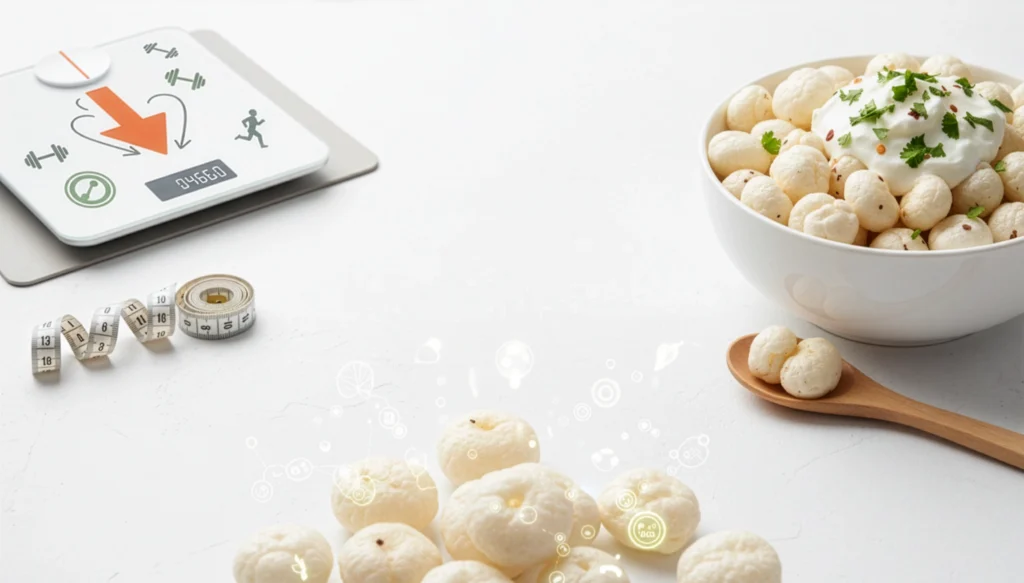
5 Makhana Recipes for Weight Loss: Simple, Tasty, and Scientifically Balanced

5 Makhana Recipes for Weight Loss: Simple, Tasty, and Scientifically Balanced Here’s the truth about weight loss: it doesn’t have to be boring, flavourless, or feel like deprivation. The problem with most diet advice isn’t that it doesn’t work—it’s that people can’t stick with it because the food tastes like cardboard and leaves them hungry an hour later. That’s where these five makhana recipes come in. Each one is scientifically designed to tick three crucial boxes: they satisfy your appetite with protein and fiber, they taste genuinely delicious, and they’re simple enough to make on a busy weeknight without feeling like you’ve spent two hours in the kitchen. Over the next few minutes, you’ll discover why makhana—the humble fox nut—is becoming the secret weapon for people winning their weight loss battles. These aren’t just recipes; they’re proven combinations of ingredients that work together to curb cravings, stabilize blood sugar, boost metabolism, and help you feel full for hours. The science is clear: high-protein, high-fiber meals promote satiety and reduce overall calorie intake. Adding Samaza’s premium makhana to your recipes multiplies these benefits while delivering the satisfying crunch people actually crave when they’re trying to lose weight. Let’s dive into these five game-changing recipes that prove healthy eating and actual enjoyment aren’t mutually exclusive. Recipe 1: Spiced Makhana & Yogurt Bowl – The Breakfast That Actually Keeps You Full Why This Recipe Works for Weight Loss This breakfast bowl is a masterclass in satiety science. The combination of protein (21.75g!), fiber (6.3g), and complex carbohydrates creates a sustained energy release that keeps your blood sugar stable for hours. Greek yogurt provides probiotics and protein for digestive health, while makhana adds unique texture and the specific amino acids your body needs for muscle maintenance during weight loss. The beauty of this bowl? You’re not going to be hungry by 10 a.m., clawing at the office vending machine. The fiber content slows digestion, and the protein signals your brain that you’re genuinely satisfied. Cinnamon adds metabolism support and helps regulate blood sugar, preventing the crashes that trigger cravings. Prep Time: 5 minutes | Serves: 1 Ingredients 30g roasted Samaza makhana 150ml Greek yogurt (0% or 2% fat) 80g fresh mixed berries (blueberries, strawberries, raspberries) 1 teaspoon raw honey ¼ teaspoon ground cinnamon Pinch of ground nutmeg (optional) 1 tablespoon sliced almonds 3-4 fresh mint leaves Step-by-Step Instructions Step 1: Prepare Your Base – Pour Greek yogurt into a bowl or glass. This creamy base is your protein foundation. If you prefer a thinner consistency, mix in 2 tablespoons of unsweetened almond milk. Step 2: Add the Makhana – Gently fold in 30g of Samaza’s roasted makhana. These white puffs will stay crispy for at least 15 minutes, even when mixed into yogurt, giving you that satisfying crunch throughout your meal. Step 3: Layer Your Berries – Top with fresh mixed berries. These are low in calories but high in fiber and antioxidants. The natural tartness balances the creaminess of the yogurt perfectly. Step 4: Season It – Sprinkle cinnamon and nutmeg over the top. These aren’t just flavor boosters—cinnamon specifically helps improve insulin sensitivity and reduces hunger. Step 5: Add Texture and Nutrients – Top with sliced almonds for healthy fats and additional protein. Step 6: Finish with Sweetness – Drizzle 1 teaspoon of raw honey. This is where many people make weight-loss mistakes—they think honey is “off limits.” But a single teaspoon (7g) adds only 22 calories while providing natural sweetness and prebiotic fibers that feed your gut bacteria. Step 7: Garnish and Serve – Add fresh mint for a refreshing touch and immediate consumption. Complete Nutritional Breakdown Ingredient Quantity Calories Protein (g) Fat (g) Carbs (g) Fiber (g) Roasted Makhana (Samaza) 30g 104 3.0 0.03 23.1 4.4 Greek Yogurt (0% fat) 150g 105 18.0 0 7.0 0 Fresh Berries (mixed) 80g 44 0.7 0.2 10.5 1.8 Honey 1 tsp (7g) 22 0 0 5.8 0 Ground Cinnamon ¼ tsp 2 0.05 0.01 0.4 0.1 Total Per Serving   277 21.75 0.26 46.8 6.3 Why This Combination Works Protein + Fiber = Maximum Satiety: The 21.75g of protein combined with 6.3g of fiber creates a powerful appetite-suppressing effect. Research shows this combination keeps you full 4-5 hours longer than carbs alone. Stable Blood Sugar: The low glycemic index prevents insulin spikes that lead to energy crashes and cravings. You won’t experience the 10 a.m. hunger that derails most diets. Probiotics + Makhana’s Amino Acids: Greek yogurt’s probiotics support digestive health, while makhana’s unique amino acid profile supports muscle preservation during calorie deficit. Meal Prep & Storage Tips Make It Ahead: Prepare the dry components the night before. Store makhana and almonds in a sealed container. Mix berries separately. Combine with yogurt fresh in the morning for maximum crunch—makhana will start to soften after about 20 minutes in yogurt. Batch Preparation: Portion yogurt into three containers (if making for 3 days). Add makhana and nuts right before eating for optimal texture. Storage Duration: Roasted Samaza makhana lasts 3-4 days in an airtight container once opened. Yogurt stays fresh 5-7 days from opening date. Dietary Variations Keto-Friendly Version (Reduce carbs to ~25g): Use ¼ portion of berries (only 20g) Skip honey entirely Add 1 tablespoon almond butter instead Increase almonds to 2 tablespoons Vegan Adaptation: Replace Greek yogurt with cashew yogurt or coconut yogurt (1.5 tbsp honey → ½ tsp maple syrup for fewer calories) Use plant-based milk yogurt with added probiotics Gluten-Free:All ingredients are naturally gluten-free—even Samaza makhana, which is certified naturally gluten-free. Customer Success Story “This bowl changed my entire relationship with breakfast” — Deepa, 28, Marketing Executive, Bangalore “I used to skip breakfast or grab pastries from the office pantry. I’d be famished by 11 a.m., then overeat at lunch. When I started having this yogurt bowl with Samaza makhana three times a week, something shifted. I’d go to lunch actually feeling okay, not desperately hungry. After two months, I’d lost 4 kilos without feeling like I was ‘on a diet.’ My energy was better, and I wasn’t constantly thinking

5 Makhana Recipes for Weight Loss: Simple, Tasty, and Scientifically Balanced Read More »

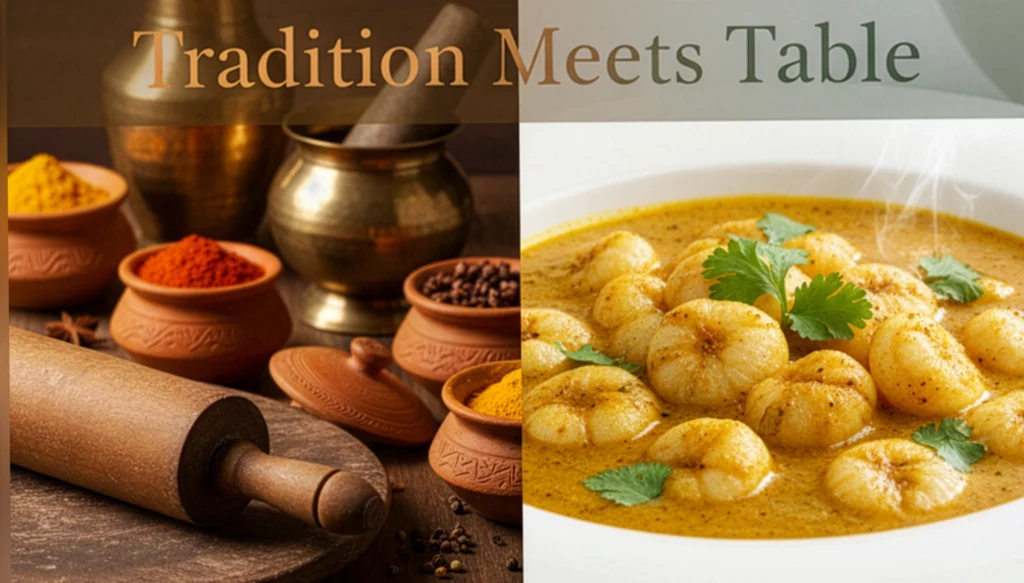
The Art of Traditional Makhana Curry

Introduction: The Art of Traditional Makhana Curry Phool makhana curry represents centuries of Indian culinary wisdom—a dish that honours both the delicate nature of makhana seeds and the rich, aromatic tradition of Indian spice mastery. Far from being a simple side dish, authentic makhana curry is a celebration of technique, ingredient quality, and understanding of how this precious superfood responds to heat and flavour. Unlike recipes that treat makhana as an afterthought, the traditional approach begins with respecting the seed itself—its texture, its nutritional integrity, and its role as both a flavour carrier and a nutritional powerhouse. This is the Samaza philosophy: creating curry recipes that bring out the best in premium makhana while maintaining the wellness benefits that have made this seed revered for millennia. Whether you’re preparing this dish for a festival, a family gathering, or your own wellness journey, this guide will walk you through creating an authentic phool makhana curry that tastes restaurant-quality while nourishing your body deeply. Understanding Phool Makhana: The Foundation of Great Curry Before diving into the cooking process, it’s essential to understand what makes quality makhana crucial to curry success. What is Phool Makhana? Phool Makhana refers to the popped, cleaned seeds of the Euryale ferox water lily, primarily cultivated in Bihar, India. The term “phool” (flower) references the delicate appearance of the seeds once they’ve been processed and dried. Unlike raw makhana, phool makhana is ready for direct roasting and cooking, making it the preferred choice for curry preparation. Why Quality Matters in Curry The texture and flavor of your final curry depend entirely on makhana quality: Premium makhana (like Samaza’s carefully graded seeds) maintains a light, crispy exterior while staying tender inside when cooked in gravy. Lower-grade makhana becomes mushy, absorbs excessive oil, and loses its distinctive mouthfeel. Improperly dried makhana may contain moisture that causes it to break apart during roasting. Investing in quality makhana transforms curry preparation from a chore into a pleasure. Samaza Commitment to Curry Excellence Samaza sources directly from Bihar’s finest cultivators, ensuring makhana that: Maintains optimal moisture balance (critical for roasting). Delivers consistent crispness when toasted. Absorbs curry flavours without disintegrating. Retains maximum nutritional integrity through proper storage. The Science Behind Traditional Makhana Curry Understanding the “why” behind each traditional step elevates your cooking from mechanical follow-through to intuitive mastery. The Three-Stage Cooking Process 1. Stage One: Roasting (The Foundation)Roasting makhana before adding it to curry serves multiple purposes: Develops a nutty, toasted flavour that deepens curry complexity Creates the crispy-tender texture contrast that defines quality makhana curry Removes residual moisture, allowing proper flavour absorption Activates enzymes that enhance digestibility (Ayurvedic wisdom about “Agni” or digestive fire) 2. Stage Two: Masala Development (The Soul)Creating the spice base through careful tempering and cooking draws out essential oils and creates the aromatic foundation that makes traditional curry distinctive. This stage cannot be rushed. 3. Stage Three: Integration (The Harmony)Adding roasted makhana into the finished gravy at precisely the right moment ensures it remains crispy while absorbing just enough sauce for flavor without becoming waterlogged. Why Traditional Timing Matters Many modern recipes add makhana too early, resulting in soggy seeds that lose their distinctive texture. The traditional approach—adding makhana near the end—preserves what makes this curry special: the interplay between crispy seed and creamy, aromatic gravy. The Traditional Phool Makhana Curry Recipe Ingredients (Serves 4-6) For the Makhana: 2 cups premium phool makhana (Samaza recommended) 3 tablespoons ghee (for roasting) Salt to taste For the Curry Base: 3 tablespoons ghee 1 medium onion (about 150g), finely chopped 1 tablespoon ginger-garlic paste (freshly prepared) 2 medium tomatoes (about 300g), chopped 1/4 cup raw cashews 1/4 cup poppy seeds (khus-khus) For Spice Masala: 1/2 teaspoon cumin seeds (jeera) 1/4 teaspoon asafoetida (hing) 1/2 teaspoon turmeric powder (haldi) 1 teaspoon red chili powder (adjust to taste) 1.5 teaspoon coriander powder (dhania) 1 teaspoon garam masala For Finishing: 1/2 cup fresh heavy cream (malai) 1/2 cup water 2 tablespoons chopped fresh coriander (cilantro) 1/2 teaspoon Kasuri methi (dried fenugreek leaves, optional) Salt to taste Step-by-Step Traditional Preparation Step 1: Prepare Your Makhana (5 minutes) The Traditional Roasting Method The art of roasting makhana begins with understanding its sensitivity to heat: Heat a heavy-bottomed kadai (wok) or large pan over medium-low heat for 1 minute Add 3 tablespoons of ghee and allow it to become warm (not smoking) Once ghee is warm, add makhana gradually, stirring continuously Keep the heat at medium-low throughout—high heat will cause exterior burning while the interior remains uncooked Stir constantly for 8-10 minutes, watching for the colour change from white/cream to light golden brown You’ll notice makhana will absorb all the ghee—this is normal and desired Once the makhana reaches a light golden color and the aroma becomes nutty (a key signal of readiness), transfer to a plate Important: Let the roasted makhana cool for 2-3 minutes before setting aside Why This Approach: Low heat prevents the exterior from hardening before the interior cooks Continuous stirring ensures even roasting The visual and aromatic cues tell you when makhana is perfectly done Cooling briefly prevents makhana from absorbing excess moisture when it hits the cooler curry Step 2: Prepare the Masala Paste (8-10 minutes) The Traditional Two-Ingredient Base Traditional makhana curry builds its flavour base through two complementary ingredients that traditional cooks understand as the foundation: Preparing Cashew-Poppy Seed Paste: In the same kadai (after removing roasted makhana), add 1 tablespoon of ghee Add 1/4 cup raw cashews and fry on low-medium heat for 2-3 minutes until light golden Add 1/4 cup poppy seeds (khus-khus) and continue frying on the lowest heat for 2-3 minutes Important: Poppy seeds burn easily; stir constantly and use lowest heat You’ll smell a distinct nutty, earthy aroma when ready Remove from heat and let cool to room temperature (about 5 minutes) Once cool, grind to a fine powder using a spice grinder or mortar-pestle Set aside this precious paste—it’s the secret to rich, creamy curry without cream Why Cashew-Poppy Paste: Creates

The Art of Traditional Makhana Curry Read More »