Samaza | Premium Makhana Manufacturer & Bulk Supplier India

Pure Ingredients. Honest Origins

admin

The Athlete’s Secret: How Makhana Powers Performance, Recovery, and Endurance

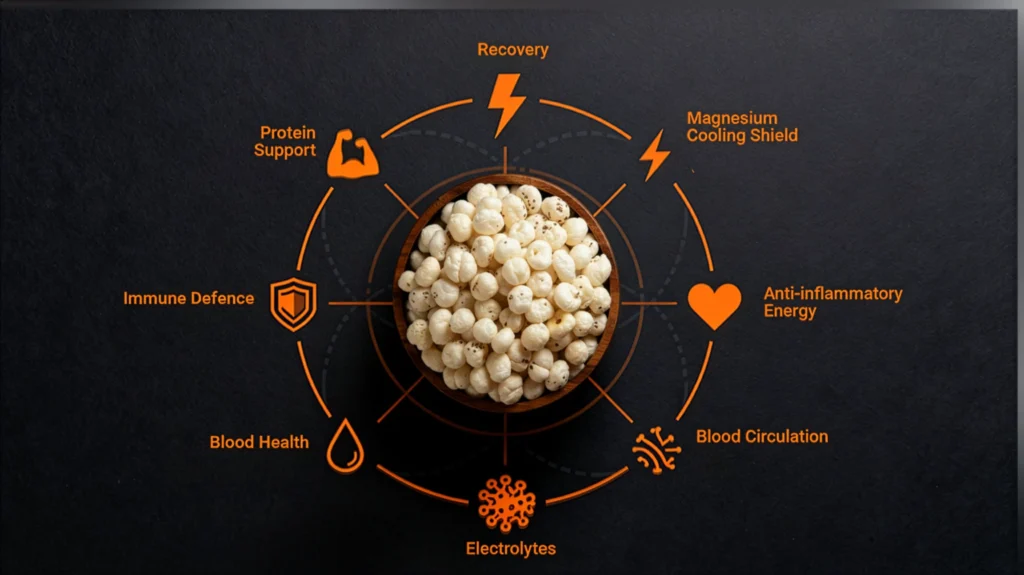
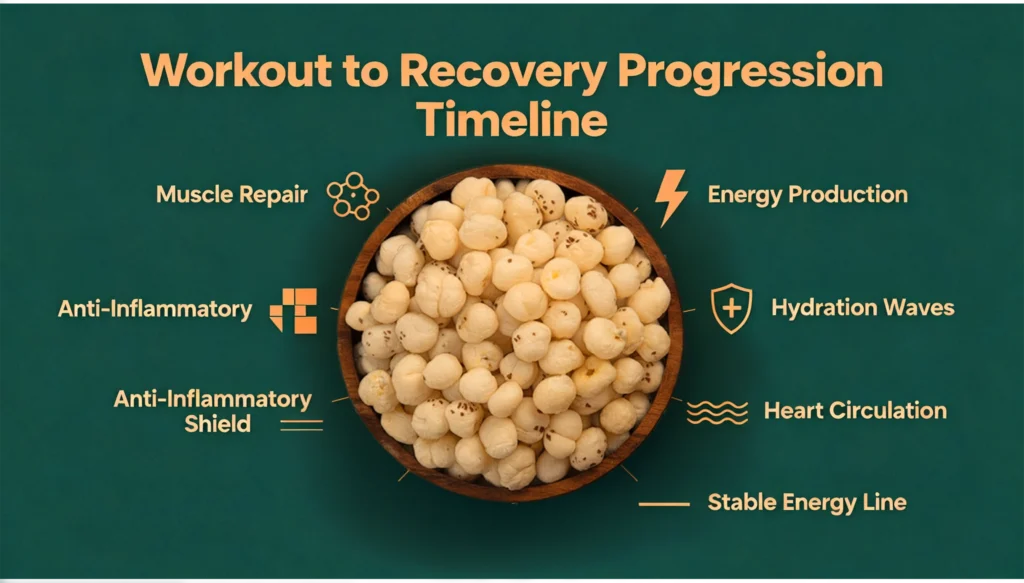
The Discovery That Changed Everything Rohan, a 32-year-old endurance athlete and competitive cyclist, was struggling. Not with training—he was logging 15+ hours a week. Not with commitment—he was religious about his regimen. He was struggling with recovery. His muscles were perpetually sore. He’d crash around 4 p.m., killing his evening workouts. His recovery times were longer than they should be. He was spending ₹8,000 monthly on protein powders, electrolyte supplements, and recovery drinks—and still felt depleted. Then a friend mentioned makhana. “My grandmother ate it for centuries,” the friend said. “It has protein, minerals, and slow-release carbs. Why wouldn’t it work?” Rohan was skeptical. But desperate enough to try. Within three weeks of adding 30g of makhana post-workout, his soreness decreased noticeably. By week six, his 4 p.m. energy crash disappeared. By week twelve, his cycling times improved by 4%—a massive jump for an athlete already at a competitive level. “I couldn’t believe something so simple, so ancient, could deliver results comparable to supplements I was spending thousands on,” Rohan says. “It’s not magical. It’s just better science than I realised.” Rohan’s story is becoming increasingly common among serious athletes and fitness enthusiasts who’ve discovered what sports scientists have been quietly studying: Makhana isn’t just a fasting snack. It’s an athlete’s nutritional hack. Why Athletes Need Smart Nutrition (Not Just Protein Powder) Before we explain why makhana changes the game, let’s establish what athletes actually need. Most fitness marketing focuses on one thing: protein. And yes, protein is critical. But athletic nutrition isn’t one-dimensional. Your body needs: Energy (Carbohydrates)During training, your muscles burn glycogen—stored carbohydrates. Deplete glycogen, and you hit the wall. Intense training can reduce muscle glycogen by 50-70%. Replenishing this is non-negotiable for recovery. Muscle Repair (Protein)Exercise creates microscopic damage to muscle fibers. Protein provides amino acids that repair this damage and build stronger muscle. Post-workout, consuming 20-40g of high-quality protein stimulates muscle protein synthesis—the biological process that rebuilds muscle. Micronutrients (Minerals & Vitamins)Athletes have 10-20% higher magnesium requirements than sedentary people. Phosphorus is critical for energy restoration. Potassium regulates muscle function and prevents cramps. Sustained Energy (Complex Carbs, Not Sugar)This is where most supplements fail. They give you a blood sugar spike followed by a crash. Your body needs sustained energy—carbohydrates that release gradually, not rapidly. Most athletes address these needs with multiple products: protein powder for protein, sports drinks for carbs and electrolytes, and multivitamins for minerals. Expensive. Complicated. Often, including additives you don’t need. Makhana addresses all four needs in a single, whole-food ingredient. Makhana’s Protein Profile: Why It Works for Athletes Let’s start with the most obvious athletic need: protein. Makhana contains 9.7 grams of protein per 100 grams. In a 30g post-workout serving, that’s approximately 3g of protein. Your immediate reaction: “That’s not much.” But here’s where most fitness marketing misleads you. The Amino Acid Profile That Matters Raw protein amount is meaningless without amino acid composition. What matters is bioavailability and leucine content. Leucine is the amino acid that directly triggers muscle protein synthesis—the biological switch that says “rebuild muscle now”. Whey protein is prized specifically because it’s high in leucine (11% of amino acids). Makhana contains all nine essential amino acids, including significant leucine. In a 30g serving, you’re getting approximately 0.3g of leucine—not insignificant, especially when combined with carbohydrates. Plant-Based vs. Whey: The Modern Reality Here’s what 2025 research actually shows: There is no significant difference in performance outcomes between plant-based protein and whey protein for athletic performance, as long as total daily protein intake is adequate. The key differences: Aspect Whey Makhana (Plant-Based) Absorption Speed Rapid (30-60 min) Moderate (60-90 min) Amino Acid Profile Complete, leucine-rich Complete, balanced Digestibility High Very high Lactose Content Present (varies by product) None Cost per serving ₹30-50 ₹12-15 Processing High (isolates) Minimal (roasting) Suitability for Vegans No Yes The practical reality: For post-workout recovery, whey’s rapid absorption is advantageous (30-60 minutes post). But makhana’s slower, sustained absorption actually supports your body better throughout the day. Real Numbers: A 70kg Athlete’s Daily Protein Needs Total daily protein requirement: 1.4-2.0g per kilogram of body weight = 98-140g for a 70kg person Breaking this into meals: Breakfast: 20-25g Snack: 10-15g Lunch: 25-30g Post-workout: 20-40g (this is where makhana comes in) Dinner: 25-30g Thirty grams of makhana post-workout provides 3g of protein directly, plus sets up your body to absorb protein from other meals more efficiently. Combined with carbohydrates (which makhana also provides), this post-workout pairing is significantly more effective for recovery than either nutrient alone. Energy & Endurance: Why Resistant Starch Matters More Than Sugar This is where makhana separates from trendy sports supplements. Most sports drinks deliver quick-absorbing carbohydrates (glucose, fructose). Your blood sugar spikes. Your body gets immediate energy. Then—crash. Makhana delivers resistant starch, a carbohydrate that fundamentally works differently in your body. What Resistant Starch Actually Does Resistant starch reaches your colon relatively intact (instead of being absorbed in the small intestine like regular starch). There, it ferments, feeding beneficial gut bacteria and producing short-chain fatty acids (SCFAs), particularly butyrate. This produces multiple benefits: Stable Energy ReleaseInstead of a spike and crash, resistant starch creates a gradual glucose release over 3-4 hours. Your energy remains stable. No 4 p.m. wall. No post-workout fatigue that ruins your evening training. Improved Fat OxidationResearch shows resistant starch improves metabolic flexibility—your body’s ability to burn fat efficiently during lower-intensity activity, sparing carbohydrates for high-intensity efforts. Enhanced Endurance PerformanceA Journal of International Society of Sports Nutrition study found that athletes consuming resistant starch increased endurance by 10% compared to controls. For competitive athletes, 10% is enormous. Reduced Inflammation & Faster RecoveryThe butyrate produced from resistant starch fermentation actively reduces inflammation and speeds muscle recovery. The Numbers: What This Means for Athletes A 60-minute high-intensity training session depletes approximately 60-80g of muscle glycogen. Post-workout carbohydrate consumption should be 1-1.2g per kilogram of body weight in the first four hours to maximize recovery. For a 70kg athlete, that’s 70-84g of carbohydrates in the critical post-workout window. Thirty grams of makhana provides approximately 23g of complex carbohydrates (not simple sugars). Combined with additional

The Athlete’s Secret: How Makhana Powers Performance, Recovery, and Endurance Read More »
Makhana vs. Other Healthy Snacks: A Detailed Nutritional Showdown

The Snacking Crisis Nobody Talks About You’re standing at your desk at 3 p.m., stomach rumbling. Your energy is crashing. You need something to hold you over until dinner, but you’re also trying to be “healthy.” So you open your drawer—or your phone for a quick order—and face a paradox: almonds (expensive, high calorie), chickpea crisps (trendy but leaves you hungry), protein bars (convenient but loaded with sugar), popcorn (cheap but doesn’t satisfy), dried fruit (natural but causes blood sugar spikes), quinoa chips (Instagram-worthy but processed)… Which one is actually better for you? This is the question thousands of health-conscious Indians face daily. The healthy snacks market exploded to ₹3.91 billion in 2024 and is projected to hit ₹6.12 billion by 2030—growing 7.75% annually. But more options doesn’t mean better choices. It usually means more confusion. Here’s what we’re going to do: We’ll cut through the marketing noise and compare makhana—the ancient fox nut gaining modern momentum—against six of the most popular “healthy” alternatives using hard data. Not opinions. Not trends. Just what the nutritional science, cost analysis, and hunger research actually show. By the end of this article, you’ll know exactly which snack wins for your specific goal, your budget, and your lifestyle. No guessing. No regret. Just smart snacking. How We’re Comparing (And Why It Matters) Before diving into head-to-head matchups, let’s establish what “better” actually means. Because a snack that’s perfect for muscle building might be terrible for weight loss. An economical snack might leave you hungrier. We’re evaluating each snack across seven measurable criteria: Nutritional Profile – What’s actually in your snack? Cost-Per-Serving – Are you getting value? Satiety & Hunger Control – How long does it actually keep you satisfied? Digestibility – Can your gut handle it comfortably? Diet Suitability – Who benefits most? Processing & Transparency – What’s the story behind your snack? Taste & Texture – Because nutrition isn’t everything. This framework means we’re not claiming makhana is universally “best.” Some snacks will win in specific categories. But you’ll see exactly where makhana outperforms the competition—and where it honestly doesn’t. Fair enough? Let’s dig in. The Nutritional Reality: What 30 Grams Actually Gets You Here’s where most snacking comparisons fail: they compare random quantities or focus only on calories. Let’s be smarter. Nutritional Comparison of Healthy Snacks (Per 30g Serving) Nutrient Makhana Almonds Chickpea Crisps Protein Bar* Popcorn Quinoa Chips Dried Fruit (Raisins) Calories 104 165 130 220 116 130 85 Protein (g) 3.0 6.0 2.0 15.0 3.9 2.0 1.0 Fat (g) 0.03 14.2 4.0 7.0 3.5 5.0 0.3 Saturated Fat (g) 0.03 1.1 0.5 2.5 0.5 0.6 0.1 Carbohydrates (g) 23.1 6.1 19.0 24.0 19.0 19.0 22.0 Fiber (g) 4.4 3.5 1.0 5.0 4.4 4.0 1.0 Sugar (g) 0.2 1.2 1.0 8.0 0.5 2.0 15.0 Sodium (mg) 5 1 300 200 50 260 10 Magnesium (mg) 20 23 8 40 22 25 6 Iron (mg) 0.4 0.3 0.3 4.5 0.9 0.6 0.6 What immediately stands out: For Calorie Control: Makhana (104 cal) and dried fruit (85 cal) are lowest, followed by popcorn (116 cal). Almonds jump to 165 calories. Protein bars hit 220—nearly 3x the makhana serving. If you’re counting calories, makhana gives you solid satiety without the caloric punch of nuts or bars. For Fiber (The Satiety Secret): Makhana and popcorn tie at 4.4g per 30g—that’s impressive. But here’s the difference: popcorn’s fiber comes with air and rapid chewing that creates psychological satiety. Makhana’s fiber comes with protein and nutrients that create metabolic satiety (your body actually feels satisfied, not just your mouth). Chickpea crisps and dried fruit deliver only 1g fiber each—a massive disappointment given their health positioning. For Protein: Almonds win at 6g, protein bars at 15g. But both require commitment—almonds are calorie-dense, bars are ultra-processed. Makhana’s 3g is respectable for a whole-food snack, positioned as a companion snack, not a protein supplement. For Sugar (The Hidden Culprit): This is where makhana shines. At 0.2g sugar per 30g serving, you’re getting essentially zero sugar. Compare that to dried raisins (15g—that’s 50% sugar by weight!) and even protein bars (8g added sugar). If blood sugar control matters to you, this single metric changes everything. The Hunger Test: Which Snack Actually Keeps You Full? Here’s what matters most: Does it satisfy your hunger, or do you find yourself snacking again 90 minutes later? Satiety & Hunger Control Comparison Snack Satiety Rating (out of 10) Time to Next Hunger (hours) Digestibility Hunger Spike Risk Makhana 8/10 3-4 Excellent Very Low Almonds 9/10 4-5 Excellent Very Low Chickpea Crisps 5/10 1.5-2 Good Moderate Protein Bars 7/10 2-3 Varies Moderate Popcorn (air-popped) 7/10 2-3 Good Moderate Quinoa Chips 5/10 1.5-2 Good Moderate Dried Fruit (Raisins) 3/10 1-1.5 Fair High (sugar crash) The Science Behind Satiety:Research shows that snacks combining protein + fiber + whole-food status create sustained hunger suppression (3-5 hours). Ultra-processed options, high-sugar snacks, and low-fiber foods create a “false fullness” that crashes within 1-2 hours. What This Means in Real Life: Almonds & Makhana: Eat at 3pm → not hungry until 7pm (dinner time). Chickpea Crisps & Quinoa Chips: Eat at 3pm → hungry by 5pm (additional snacking). Dried Fruit: Eat at 3pm → hungry by 4:30pm + energy crash + cravings. The Real-World Impact: Over a month, choosing Makhana vs. Chickpea Crisps means 8-10 fewer snacking episodes and 500-700 fewer calories from “additional hunger” purchases. Digestibility: Your Gut’s Vote Nutritional value means nothing if your stomach rebels. Makhana: The Digestive SweetheartSingle ingredient. Minimal processing (just roasting). Low fat. No additives. The result? Universal digestibility. People with IBS, sensitive stomachs, even those post-surgery tolerate makhana better than almost any other snack. Almonds: Excellent for Robust Systems, Problematic for OthersThe fat content can cause bloating, gas, or digestive upset in 20-30% of people with sensitive systems. If your digestion is iron-clad, almonds are perfect. Otherwise, they’re a risk. Popcorn: The Hidden ProblemThe hull (outer shell) causes bloating and GI distress in people with IBS or digestive sensitivity. Many people love popcorn’s volume until their digestive system punishes them. Chickpea Crisps: Processing Creates ProblemsThe

Makhana vs. Other Healthy Snacks: A Detailed Nutritional Showdown Read More »

5 Makhana Recipes for Weight Loss: Simple, Tasty, and Scientifically Balanced

5 Makhana Recipes for Weight Loss: Simple, Tasty, and Scientifically Balanced Here’s the truth about weight loss: it doesn’t have to be boring, flavourless, or feel like deprivation. The problem with most diet advice isn’t that it doesn’t work—it’s that people can’t stick with it because the food tastes like cardboard and leaves them hungry an hour later. That’s where these five makhana recipes come in. Each one is scientifically designed to tick three crucial boxes: they satisfy your appetite with protein and fiber, they taste genuinely delicious, and they’re simple enough to make on a busy weeknight without feeling like you’ve spent two hours in the kitchen. Over the next few minutes, you’ll discover why makhana—the humble fox nut—is becoming the secret weapon for people winning their weight loss battles. These aren’t just recipes; they’re proven combinations of ingredients that work together to curb cravings, stabilize blood sugar, boost metabolism, and help you feel full for hours. The science is clear: high-protein, high-fiber meals promote satiety and reduce overall calorie intake. Adding Samaza’s premium makhana to your recipes multiplies these benefits while delivering the satisfying crunch people actually crave when they’re trying to lose weight. Let’s dive into these five game-changing recipes that prove healthy eating and actual enjoyment aren’t mutually exclusive. Recipe 1: Spiced Makhana & Yogurt Bowl – The Breakfast That Actually Keeps You Full Why This Recipe Works for Weight Loss This breakfast bowl is a masterclass in satiety science. The combination of protein (21.75g!), fiber (6.3g), and complex carbohydrates creates a sustained energy release that keeps your blood sugar stable for hours. Greek yogurt provides probiotics and protein for digestive health, while makhana adds unique texture and the specific amino acids your body needs for muscle maintenance during weight loss. The beauty of this bowl? You’re not going to be hungry by 10 a.m., clawing at the office vending machine. The fiber content slows digestion, and the protein signals your brain that you’re genuinely satisfied. Cinnamon adds metabolism support and helps regulate blood sugar, preventing the crashes that trigger cravings. Prep Time: 5 minutes | Serves: 1 Ingredients 30g roasted Samaza makhana 150ml Greek yogurt (0% or 2% fat) 80g fresh mixed berries (blueberries, strawberries, raspberries) 1 teaspoon raw honey ¼ teaspoon ground cinnamon Pinch of ground nutmeg (optional) 1 tablespoon sliced almonds 3-4 fresh mint leaves Step-by-Step Instructions Step 1: Prepare Your Base – Pour Greek yogurt into a bowl or glass. This creamy base is your protein foundation. If you prefer a thinner consistency, mix in 2 tablespoons of unsweetened almond milk. Step 2: Add the Makhana – Gently fold in 30g of Samaza’s roasted makhana. These white puffs will stay crispy for at least 15 minutes, even when mixed into yogurt, giving you that satisfying crunch throughout your meal. Step 3: Layer Your Berries – Top with fresh mixed berries. These are low in calories but high in fiber and antioxidants. The natural tartness balances the creaminess of the yogurt perfectly. Step 4: Season It – Sprinkle cinnamon and nutmeg over the top. These aren’t just flavor boosters—cinnamon specifically helps improve insulin sensitivity and reduces hunger. Step 5: Add Texture and Nutrients – Top with sliced almonds for healthy fats and additional protein. Step 6: Finish with Sweetness – Drizzle 1 teaspoon of raw honey. This is where many people make weight-loss mistakes—they think honey is “off limits.” But a single teaspoon (7g) adds only 22 calories while providing natural sweetness and prebiotic fibers that feed your gut bacteria. Step 7: Garnish and Serve – Add fresh mint for a refreshing touch and immediate consumption. Complete Nutritional Breakdown Ingredient Quantity Calories Protein (g) Fat (g) Carbs (g) Fiber (g) Roasted Makhana (Samaza) 30g 104 3.0 0.03 23.1 4.4 Greek Yogurt (0% fat) 150g 105 18.0 0 7.0 0 Fresh Berries (mixed) 80g 44 0.7 0.2 10.5 1.8 Honey 1 tsp (7g) 22 0 0 5.8 0 Ground Cinnamon ¼ tsp 2 0.05 0.01 0.4 0.1 Total Per Serving   277 21.75 0.26 46.8 6.3 Why This Combination Works Protein + Fiber = Maximum Satiety: The 21.75g of protein combined with 6.3g of fiber creates a powerful appetite-suppressing effect. Research shows this combination keeps you full 4-5 hours longer than carbs alone. Stable Blood Sugar: The low glycemic index prevents insulin spikes that lead to energy crashes and cravings. You won’t experience the 10 a.m. hunger that derails most diets. Probiotics + Makhana’s Amino Acids: Greek yogurt’s probiotics support digestive health, while makhana’s unique amino acid profile supports muscle preservation during calorie deficit. Meal Prep & Storage Tips Make It Ahead: Prepare the dry components the night before. Store makhana and almonds in a sealed container. Mix berries separately. Combine with yogurt fresh in the morning for maximum crunch—makhana will start to soften after about 20 minutes in yogurt. Batch Preparation: Portion yogurt into three containers (if making for 3 days). Add makhana and nuts right before eating for optimal texture. Storage Duration: Roasted Samaza makhana lasts 3-4 days in an airtight container once opened. Yogurt stays fresh 5-7 days from opening date. Dietary Variations Keto-Friendly Version (Reduce carbs to ~25g): Use ¼ portion of berries (only 20g) Skip honey entirely Add 1 tablespoon almond butter instead Increase almonds to 2 tablespoons Vegan Adaptation: Replace Greek yogurt with cashew yogurt or coconut yogurt (1.5 tbsp honey → ½ tsp maple syrup for fewer calories) Use plant-based milk yogurt with added probiotics Gluten-Free:All ingredients are naturally gluten-free—even Samaza makhana, which is certified naturally gluten-free. Customer Success Story “This bowl changed my entire relationship with breakfast” — Deepa, 28, Marketing Executive, Bangalore “I used to skip breakfast or grab pastries from the office pantry. I’d be famished by 11 a.m., then overeat at lunch. When I started having this yogurt bowl with Samaza makhana three times a week, something shifted. I’d go to lunch actually feeling okay, not desperately hungry. After two months, I’d lost 4 kilos without feeling like I was ‘on a diet.’ My energy was better, and I wasn’t constantly thinking

5 Makhana Recipes for Weight Loss: Simple, Tasty, and Scientifically Balanced Read More »

3 Easy Low-Calorie Makhana Recipes for Movie Night

Introduction: Redefining Movie Night Snacking Movie night is sacred. It’s the moment you sink into comfort, forget about the day’s stress, and surrender to pure entertainment. The snack is fundamental to this experience—it’s not just food, it’s ritual. And that ritual typically comes with guilt: the greasy popcorn, the overflowing bowl of chips, the “just this once” justification that happens multiple times monthly. What if movie night snacking could be genuinely guilt-free? Not the depressing “celery stick” kind of guilt-free, but actually satisfying, delicious, and nutritious guilt-free? At Samaza, we’ve reimagined movie night snacking with three easy makhana recipes that deliver all the satisfaction of traditional theater snacks while being low-calorie, protein-rich, and genuinely good for your body. These aren’t sacrifices—they’re upgrades. Whether you’re watching a thriller, a romantic comedy, or a binge-worthy series, these three recipes ensure your snack bowl stays full, your taste buds stay happy, and your health stays intact. Why Makhana is the Perfect Movie Snack Before diving into recipes, understand why makhana fundamentally changes the movie night experience: The Makhana Advantage for Mindless Snacking Movie nights are when we’re most vulnerable to overeating. We’re distracted, engaged, not consciously monitoring consumption. The snack choice matters immensely: Traditional Movie Snacks: Buttered popcorn: 350-450 calories per medium bucket Movie theatre popcorn with butter: 600-1000 calories in a single sitting Movie theatre nachos: 500-800 calories plus digestive burden Candy/chocolate: 250-500 calories of pure sugar with crashes afterward Makhana Advantage: Crispy texture keeps you engaged (satisfying mindless snacking) High satiety means 1/3 of the volume is completely satisfied. 100-150 calories per serving (comparable to quality options). Stays fresh for hours without staling or oil degradation. Natural protein + fiber prevents energy crashes after the movie The Result:A full bowl of Samaza makhana provides more satisfaction than a comparable volume of popcorn, at 60% calories. You never feel deprived. Makhana’s Unique Movie Snacking Properties Won’t spoil your dinner: Unlike heavy popcorn or candy, makhana won’t cause post-movie stomach discomfort Sustains energy through long films: No sugar crashes during critical plot points Natural flavour base: Spices and seasonings stick beautifully without heavy oils Stays crispy for hours: Unlike popcorn, which becomes stale or soggy Nutritionally complete: Protein + fiber + minerals = actual nutrition, not empty calories Portable to watch anywhere: Won’t create a mess or require napkins like buttered options No lingering food coma: You’ll feel satisfied, not sluggish, after the movie Recipe 1: Spiced Curry Leaf & Chaat Masala Makhana Difficulty Level: Extremely Easy | Prep Time: 5 minutes | Cook Time: 10 minutes | Calories: 120 per serving This is your go-to movie night recipe—the one you’ll make repeatedly. It balances crispy texture with complex spice flavor, creating the exact satisfaction you crave without heaviness. Ingredients (Makes 4 servings) 2 cups premium phool makhana (Samaza recommended) 2.5 tablespoons ghee 12-15 fresh curry leaves, roughly torn 1/2 teaspoon cumin seeds (jeera) 1/4 teaspoon asafoetida (hing) 1 teaspoon chaat masala 1/2 teaspoon rock salt (or sea salt) 1/4 teaspoon red chili powder (adjust to taste) Squeeze of fresh lemon juice (optional, adds brightness) Step-by-Step Instructions Step 1: Heat Your Pan (1 minute) Use a heavy-bottomed kadai or large pan. Heat over medium-low heat for exactly 1 minute. The pan should be warm, not hot—high heat will burn the exterior before cooking the interior. Step 2: Add Ghee and Temper Spices (2 minutes) Add 2.5 tablespoons ghee to the warm pan Once ghee is warm (don’t let it smoke), add 1/2 teaspoon cumin seeds Let cumin seeds crackle for 15 seconds (you’ll hear distinct popping) Add 1/4 teaspoon asafoetida (hing)—the aroma will be pungent but intoxicating Add torn curry leaves immediately (they’ll crackle beautifully in the hot ghee) Stir for 30 seconds until curry leaves become fragrant but not burnt Step 3: Add Makhana (8-10 minutes) Add 2 cups phool makhana gradually to the hot ghee and spices Stir continuously and gently to coat all seeds evenly Keep heat at medium-low throughout—this is crucial for perfect roasting Watch for the color change: seeds will go from white/cream to light golden As makhana roasts, all the ghee will be absorbed (this is perfect) Listen for the crackling sound and smell for the nutty aroma Continue for 8-10 minutes until seeds are light golden and smell fragrant Critical Sign: When you lift a seed and break it gently, it should feel crispy on the outside with just a slight resistance inside. This is perfectly roasted. Step 4: Season While Hot (1 minute) Immediately remove from heat Add 1 teaspoon chaat masala Add 1/2 teaspoon of rock salt Add 1/4 teaspoon red chilli powder Toss quickly to distribute spices while makhana is still warm (spices stick better this way) Optional: Squeeze fresh lemon juice over the warm makhana for brightness Step 5: Cool and Serve (3 minutes) Spread on parchment paper or a clean plate to cool This helps moisture release and maintains crispness Once cooled (about 3 minutes), transfer to your serving bowl Perfect for immediate consumption or storage Nutritional Breakdown (Per Serving – 1/4 Recipe) Component Amount Calories 120 kcal Protein 2.4g Carbohydrates 19g Fiber 3.6g Fat 4g (mostly from ghee) Magnesium 53mg Potassium 342mg Per Serving Breakdown: That’s 120 calories of pure satisfaction—roughly 1/3 the calories of buttered popcorn with vastly superior nutrition. Movie Night Tips Portion Control: A full serving (1/4 recipe) is genuinely satisfying for 2+ hours of viewing Sharing: Make double batches—this recipe is so good, everyone will want it Storage: Keeps fresh in an airtight container for 3-4 days (stays crispy) Reheating: Toast briefly in a 300°F oven for 5 minutes to restore crispness if it softens Why This Recipe Works Spices provide complexity: Curry leaf + chaat masala + cumin create restaurant-quality flavor that keeps you engaged Low-fat preparation: 4g fat per serving (compared to 15-20g in theatre popcorn) Digestible spices: Cumin and curry leaves actually support digestion, so you won’t have post-movie discomfort Sustained satisfaction: Protein + fiber means you stay full through the entire

3 Easy Low-Calorie Makhana Recipes for Movie Night Read More »

The Ultimate Pre-Workout Fuel? Why Athletes Are Turning to Makhana

Introduction: Rethinking Pre-Workout Nutrition The pre-workout snack debate has raged for decades. Banana or bar? Protein shake or Greek yoghurt? Sports drink or coffee? Athletes obsess over timing, macros, and the perfect pre-training fuel—and rightfully so. The difference between optimal and suboptimal pre-workout nutrition can impact performance, recovery, and long-term training results. Yet amid the protein powders, energy bars, and processed supplements, a quiet revolution is happening. Serious athletes—from endurance runners to CrossFit competitors, from weightlifters to yoga practitioners—are discovering an ancient superfood that outperforms conventional pre-workout nutrition in nearly every meaningful way: makhana (fox nuts). This isn’t hype or nostalgia. It’s biomechanics, nutrition science, and performance data coming together to validate what Ayurvedic practitioners knew for centuries: makhana isn’t just food—it’s fuel engineered by nature for sustained athletic performance. Understanding Pre-Workout Nutrition: The Foundation Before exploring why makhana changes the game, understand what makes ideal pre-workout nutrition crucial. The Pre-Workout Nutritional Requirements Optimal pre-workout fuel must accomplish multiple simultaneous goals: Sustained Energy ReleaseYour body needs fuel that breaks down gradually, providing consistent energy without crashes. Fast-digesting simple carbs spike blood sugar then crash, leaving you fatigued mid-workout. Muscle ProtectionAdequate protein and amino acids prevent muscle catabolism (breakdown) during intense training. Without this protection, your body burns its own muscle tissue for energy. Glycogen ReplenishmentCarbohydrates replenish muscle glycogen stores—the fuel muscles use directly during contraction. Depleted glycogen = early fatigue and reduced performance. Digestive EasePre-workout meals must digest quickly without causing bloating, cramping, or digestive distress. Heavy meals divert blood to digestion, away from muscles. Stable Blood SugarErratic blood glucose creates energy fluctuations, mental fog, and hormonal stress. Stable blood sugar maintains focus and performance. Hydration SupportElectrolytes (potassium, magnesium, sodium) maintain cellular hydration and muscle function during intense activity. Why Conventional Pre-Workout Options Fall Short Option Energy Type Satiety Digestibility Electrolytes Sustainability Banana Fast carbs only Low Fast (may spike BS) Some potassium Minimal Protein Bar Mixed but artificial Medium Can cause bloating Minimal Synthetic Protein Shake Mixed but synthetic Medium Varies Minimal Artificial Sports Drink Simple carbs Very low Too fast (spike) Some Sugar-dependent Greek Yogurt Protein + carbs High May cause bloating Some Real food Makhana Complex carbs + protein Very high Extremely easy Exceptional Whole food Makhana occupies a unique position in this matrix—it delivers on all metrics simultaneously. The Makhana Performance Profile: Why Athletes Are Converting Complete Nutritional Breakdown (Per 100g) Nutrient Amount Athletic Benefit Protein 9.7g Complete amino acids for muscle support Carbohydrates 76.9g Sustained energy release Fiber 14.5g Stable blood sugar, satiety Fat 0.1g Ultra-light, easy to digest Magnesium 210mg Muscle function, ATP production Potassium 1,368mg Electrolyte balance, muscle function Phosphorus 200mg Energy currency production Calcium 163mg Bone health, muscle signaling Zinc 1.1mg Immune recovery, protein synthesis Glycemic Index 20-30 Slow, sustained energy release Reason 1: The Complete Protein Advantage At 9.7g per 100g, makhana provides complete protein containing all nine essential amino acids in optimised ratios. This is exceptionally rare in plant-based whole foods. For Strength Athletes:The complete amino acid profile means makhana directly supports muscle protein synthesis during training. Unlike partial proteins, you don’t require protein combining or supplementation—one food supplies everything needed. For Endurance Athletes:The branched-chain amino acids (BCAAs)—leucine, isoleucine, and valine—reach muscles first during exercise, sparing muscle tissue from catabolism. Makhana’s complete profile means your muscles have immediate BCAA availability. Practical Application:A 30g serving of makhana (pre-workout) provides 3g of complete protein—sufficient to prevent muscle breakdown during moderate intensity training. Combined with post-workout protein, this creates a powerful muscle-sparing effect throughout training. Reason 2: The Sustained Energy Revolution Makhana’s 76.9g of carbohydrates per 100g sound like a lot—but what matters is how those carbs break down in your digestive system. Glycemic Index Comparison: Food Glycemic Index Energy Profile Makhana 20-30 (Very Low) Sustained, 2-3 hour release White Rice 73 (High) Quick spike, rapid crash Banana 62 (Moderate-High) Spike within 15 minutes Whole Wheat Bread 77 (High) Spike, unpredictable crash Oats 58 (Moderate) Moderate rise and fall The difference is transformative during training: Hour 1 (0-60 minutes): Makhana’s complex carbs begin releasing glucose steadily into the bloodstream. Your energy is consistent, your focus sharp, your muscles fueled. Hour 2 (60-120 minutes): While a banana eater is experiencing the energy crash (blood sugar plummeting), your makhana-powered athlete maintains consistent blood glucose, sustaining performance without the bonk. Hour 3 (120-180 minutes): Makhana continues providing steady energy. By this point, conventional pre-workout snacks are long exhausted. Reason 3: Electrolyte Density Matching Sports Drinks Sports drinks promote electrolyte replacement because electrolytes are crucial for performance: Sodium: Maintains fluid balance, prevents hyponatremia Potassium: Regulates muscle contraction, prevents cramping Magnesium: Essential for ATP production (cellular energy currency) Calcium: Muscle signaling and bone health Makhana’s electrolyte profile rivals sports drinks—but from whole food, meaning superior bioavailability: Makhana vs. Sports Drink (Per 30g serving): Electrolyte Makhana (30g) Sports Drink (250ml) Winner Potassium 410mg 63mg Makhana (6.5x more) Magnesium 63mg 0mg Makhana Calcium 49mg 10mg Makhana Sodium 15mg 165mg Sports drink (but makhana is optimized) This mineral density is crucial because: Potassium prevents cramping: A 30g makhana snack provides 12% of daily potassium, significant for hydration and muscle function Magnesium drives ATP production: The energy currency your muscles depend on during every contraction Calcium supports signalling: Muscle contraction and neural communication during complex movements Reason 4: Digestive Excellence Creates Performance Edge The pre-workout window is typically 30-45 minutes. In this narrow window, your food must digest minimally while providing full nutritional benefit. Makhana’s Digestive Advantage: Unlike protein bars or complex carb sources, makhana presents zero digestive burden: Minimal fiber causes no bloating: While fiber supports overall health, too much pre-workout causes GI distress. Makhana’s fiber is soluble and easily managed Extremely easy breakdown: Your digestive system processes makhana effortlessly, diverting minimal blood from muscles No GI distress: Zero cramping, bloating, or acid reflux—common complaints with bars, shakes, or dense carb sources Gentle on the stomach: You can train hard within 30 minutes without concern Reason 5: The Recovery Acceleration Effect Pre-workout nutrition isn’t just about energy—it impacts recovery too.

The Ultimate Pre-Workout Fuel? Why Athletes Are Turning to Makhana Read More »

The Ayurvedic Secret: Why Makhana Has Been Prized for Centuries

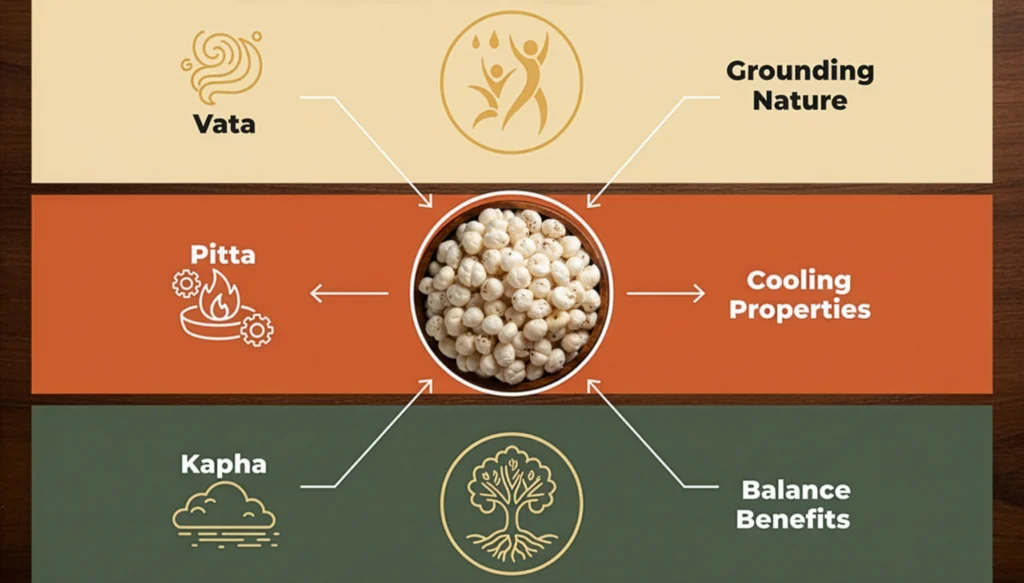
Introduction: An Ancient Superfood Rediscovered For centuries, makhana—the delicate seeds harvested from the aquatic Euryale ferox plant—has held a place of reverence in Ayurvedic medicine and Indian cuisine. Known by many names fox nuts, lotus seeds, gorgon nuts. This humble superfood was never merely a snack. It was a healer, a nourisher, and a keeper of vitality in ancient wellness traditions. Today, as the world rediscovers the wisdom of ancient remedies, Samaza brings you the authentic story of makhana: how this sacred seed earned its status as a cornerstone of Ayurvedic healing, and why modern science is finally catching up to what practitioners have known for millennia. What is Makhana? The Botanical Heritage Makhana comes from “Euryale ferox”, a water lily native to East Asia and extensively cultivated in Bihar, India—the world’s makhana capital. The plant produces beautiful white and purple flowers, but it’s the seeds inside the spiky seed pod that hold the medicinal treasure. In Sanskrit texts, makhana is referred to as “Ankhalodya*” and “Makhanna”, appearing in ancient wellness scriptures as both food and medicine. Its cultivation spans centuries, with evidence of its use in Indian wellness traditions dating back to classical Ayurvedic texts like the Charaka Samhita and Sushruta Samhita. The Ayurvedic Profile: Understanding Makhana’s Doshas Ayurveda, the 5,000-year-old science of life, categorises foods based on their qualities and their effect on the body’s three fundamental energies—the doshas: Vata, Pitta, and Kapha. Makhana’s Energetic Qualities Rasa (Taste): Sweet (Madhura), Astringent (Kashaya), with subtle bitter notes (Tikta) Guna (Qualities): Guru (heavy), Snigdha (oily/unctuous) Vipaka (Post-digestive taste): Madhura (sweet) Veerya (Potency): Sheeta (cooling) Dosha Balancing Powers Vata Dosha: Makhana’s heavy (Guru) and oily (Snigdha) properties calm excess Vata, grounding scattered energy and promoting stability. For those prone to anxiety, restlessness, and irregular digestion, makhana offers gentle, nourishing support. Pitta Dosha: The cooling (Sheeta Veerya) nature of makhana is exceptionally beneficial for Pitta constitutions. Those with a fiery digestion, inflammatory tendencies, or excessive heat will find makhana’s calming influence to be deeply soothing. Kapha Dosha: While makhana won’t overstimulate Kapha types, its astringent quality helps maintain balance without creating sluggishness, making it suitable for all constitutions when consumed mindfully. The Ayurvedic Wisdom: Makhana is one of the few foods that can help neutralise imbalances across all three doshas—a rarity in the world of wellness foods. Makhana’s Healing Properties: The Classical Ayurvedic Benefits Ancient Ayurvedic texts enumerate makhana’s remarkable healing properties. Understanding these classical benefits reveals why this seed became a staple in wellness practices: Balya & Ojas-Building (Strength and Vitality)- Makhana is classified as a Balya food, meaning it strengthens and nourishes the body at a fundamental level. In Ayurvedic philosophy, **Ojas** represents the essence of immunity and vitality—the inner reserve that keeps us resilient. Makhana is considered an excellent Ojas-building food, revitalising depleted energy and supporting recovery from illness. Vishtambhi (Grounding and Absorbent) – This property means makhana “causes steadiness” in the digestive system. For those with loose motions, diarrhoea, or IBS, makhana acts as an absorbent, restoring balance to compromised digestion without suppressing healthy function. Vrushya (Aphrodisiac & Reproductive Health)– Makhana has long been valued as a Vrushya food—one that enhances sexual potency, vigour, and vitality. More broadly, it supports reproductive health by promoting healthy sperm production and maintaining pregnancy. Garbha Samsthapaka (Pregnancy Support) – In Ayurvedic obstetrics, makhana is traditionally prescribed as a nourishing food that ensures safe pregnancy and supports fetal development. Its calming properties and nutrient density make it an ideal addition to pregnancy wellness protocols. Grahi (Absorbent & Binding) – For those suffering from loose digestion, makhana’s absorbent properties help restore firmness and continuity to digestive processes, making it a traditional remedy for chronic digestive imbalances. Dahaprasamana (Cooling Burning Sensation) -Whether addressing physical inflammation, digestive heat, or emotional burning, makhana’s cooling nature provides relief to those experiencing excess fire in the body. Modern Science Meets Ancient Wisdom: Nutritional Profile While Ayurveda understood makhana’s benefits through energetic and constitutional principles, modern nutritional science has validated these ancient claims with precise measurements: Nutrient Amount (per 100g) Ayurvedic Benefit Protein 9.7g Balya (strengthens tissues) Fiber 14.5g Grahi (supports digestion) Magnesium High levels Vata pacifier, nerve support Potassium Rich source Veerya & heart health Calcium 60mg Bone nourishment, sleep support Antioxidants Kaempferol, flavonoids Anti-ageing, inflammation reduction Fat 0.1g Ultra-light for sensitive digestion Calories 347 kcal/100g Nutritious yet weight-conscious Key Nutritional Advantages Low Glycemic Index: Makhana’s complex carbohydrates release energy slowly, preventing blood sugar spikes—crucial for those managing diabetes or seeking sustained energy. Gluten-Free Naturally: For those navigating gluten sensitivities, Samaza’s makhana offers a safe, protein-rich alternative to grain-based snacks. Complete Amino Acid Profile: Makhana contains essential amino acids necessary for muscle repair, immune function, and neurotransmitter production.  The Seven Sacred Benefits of Makhana 1. Digestive Harmony & Gut Health – Ayurveda states that digestion is the root of health (Agni, or digestive fire, is paramount). Makhana supports healthy digestion through multiple pathways: High fibre content promotes regular bowel movements and prevents constipation Grahi properties firm loosens stools and restores digestive resilience Cooling nature prevents excessive digestive heat and inflammation Prebiotic potential supports beneficial gut bacteria.  For those struggling with bloating, irregular digestion, or persistent digestive weakness, incorporating 25-30 grams of Samaza’s makhana daily offers gentle, sustainable support. 2. Cardiovascular Wellness & Heart Strength – Modern cardiovascular disease often stems from imbalances that Ayurveda would classify as Vata and Pitta aggravation. Makhana addresses these through: High magnesium (essential for blood vessel relaxation and arrhythmia prevention) Potassium-rich profile (regulates blood pressure naturally) Low sodium content (prevents fluid retention and hypertension) Antioxidant compounds (combat oxidative stress linked to heart disease) Traditional Ayurvedic practitioners have long prescribed makhana flowers for reducing palpitations and normalising heartbeat—a use now validated by cardiovascular research. 3. Restful Sleep & Nervous System Calm – Insomnia, anxiety, and nervous restlessness are classic signs of Vata aggravation in Ayurveda. Makhana’s sleep-supporting properties operate on multiple levels: Rich in calcium, which acts as a natural nervine, calming restlessness Contains tryptophan, the precursor to serotonin (the “happiness neurotransmitter”) Guru (heavy) property grounds scattered mental energy Cooling

The Ayurvedic Secret: Why Makhana Has Been Prized for Centuries Read More »

The Art of Traditional Makhana Curry

Introduction: The Art of Traditional Makhana Curry Phool makhana curry represents centuries of Indian culinary wisdom—a dish that honours both the delicate nature of makhana seeds and the rich, aromatic tradition of Indian spice mastery. Far from being a simple side dish, authentic makhana curry is a celebration of technique, ingredient quality, and understanding of how this precious superfood responds to heat and flavour. Unlike recipes that treat makhana as an afterthought, the traditional approach begins with respecting the seed itself—its texture, its nutritional integrity, and its role as both a flavour carrier and a nutritional powerhouse. This is the Samaza philosophy: creating curry recipes that bring out the best in premium makhana while maintaining the wellness benefits that have made this seed revered for millennia. Whether you’re preparing this dish for a festival, a family gathering, or your own wellness journey, this guide will walk you through creating an authentic phool makhana curry that tastes restaurant-quality while nourishing your body deeply. Understanding Phool Makhana: The Foundation of Great Curry Before diving into the cooking process, it’s essential to understand what makes quality makhana crucial to curry success. What is Phool Makhana? Phool Makhana refers to the popped, cleaned seeds of the Euryale ferox water lily, primarily cultivated in Bihar, India. The term “phool” (flower) references the delicate appearance of the seeds once they’ve been processed and dried. Unlike raw makhana, phool makhana is ready for direct roasting and cooking, making it the preferred choice for curry preparation. Why Quality Matters in Curry The texture and flavor of your final curry depend entirely on makhana quality: Premium makhana (like Samaza’s carefully graded seeds) maintains a light, crispy exterior while staying tender inside when cooked in gravy. Lower-grade makhana becomes mushy, absorbs excessive oil, and loses its distinctive mouthfeel. Improperly dried makhana may contain moisture that causes it to break apart during roasting. Investing in quality makhana transforms curry preparation from a chore into a pleasure. Samaza Commitment to Curry Excellence Samaza sources directly from Bihar’s finest cultivators, ensuring makhana that: Maintains optimal moisture balance (critical for roasting). Delivers consistent crispness when toasted. Absorbs curry flavours without disintegrating. Retains maximum nutritional integrity through proper storage. The Science Behind Traditional Makhana Curry Understanding the “why” behind each traditional step elevates your cooking from mechanical follow-through to intuitive mastery. The Three-Stage Cooking Process 1. Stage One: Roasting (The Foundation)Roasting makhana before adding it to curry serves multiple purposes: Develops a nutty, toasted flavour that deepens curry complexity Creates the crispy-tender texture contrast that defines quality makhana curry Removes residual moisture, allowing proper flavour absorption Activates enzymes that enhance digestibility (Ayurvedic wisdom about “Agni” or digestive fire) 2. Stage Two: Masala Development (The Soul)Creating the spice base through careful tempering and cooking draws out essential oils and creates the aromatic foundation that makes traditional curry distinctive. This stage cannot be rushed. 3. Stage Three: Integration (The Harmony)Adding roasted makhana into the finished gravy at precisely the right moment ensures it remains crispy while absorbing just enough sauce for flavor without becoming waterlogged. Why Traditional Timing Matters Many modern recipes add makhana too early, resulting in soggy seeds that lose their distinctive texture. The traditional approach—adding makhana near the end—preserves what makes this curry special: the interplay between crispy seed and creamy, aromatic gravy. The Traditional Phool Makhana Curry Recipe Ingredients (Serves 4-6) For the Makhana: 2 cups premium phool makhana (Samaza recommended) 3 tablespoons ghee (for roasting) Salt to taste For the Curry Base: 3 tablespoons ghee 1 medium onion (about 150g), finely chopped 1 tablespoon ginger-garlic paste (freshly prepared) 2 medium tomatoes (about 300g), chopped 1/4 cup raw cashews 1/4 cup poppy seeds (khus-khus) For Spice Masala: 1/2 teaspoon cumin seeds (jeera) 1/4 teaspoon asafoetida (hing) 1/2 teaspoon turmeric powder (haldi) 1 teaspoon red chili powder (adjust to taste) 1.5 teaspoon coriander powder (dhania) 1 teaspoon garam masala For Finishing: 1/2 cup fresh heavy cream (malai) 1/2 cup water 2 tablespoons chopped fresh coriander (cilantro) 1/2 teaspoon Kasuri methi (dried fenugreek leaves, optional) Salt to taste Step-by-Step Traditional Preparation Step 1: Prepare Your Makhana (5 minutes) The Traditional Roasting Method The art of roasting makhana begins with understanding its sensitivity to heat: Heat a heavy-bottomed kadai (wok) or large pan over medium-low heat for 1 minute Add 3 tablespoons of ghee and allow it to become warm (not smoking) Once ghee is warm, add makhana gradually, stirring continuously Keep the heat at medium-low throughout—high heat will cause exterior burning while the interior remains uncooked Stir constantly for 8-10 minutes, watching for the colour change from white/cream to light golden brown You’ll notice makhana will absorb all the ghee—this is normal and desired Once the makhana reaches a light golden color and the aroma becomes nutty (a key signal of readiness), transfer to a plate Important: Let the roasted makhana cool for 2-3 minutes before setting aside Why This Approach: Low heat prevents the exterior from hardening before the interior cooks Continuous stirring ensures even roasting The visual and aromatic cues tell you when makhana is perfectly done Cooling briefly prevents makhana from absorbing excess moisture when it hits the cooler curry Step 2: Prepare the Masala Paste (8-10 minutes) The Traditional Two-Ingredient Base Traditional makhana curry builds its flavour base through two complementary ingredients that traditional cooks understand as the foundation: Preparing Cashew-Poppy Seed Paste: In the same kadai (after removing roasted makhana), add 1 tablespoon of ghee Add 1/4 cup raw cashews and fry on low-medium heat for 2-3 minutes until light golden Add 1/4 cup poppy seeds (khus-khus) and continue frying on the lowest heat for 2-3 minutes Important: Poppy seeds burn easily; stir constantly and use lowest heat You’ll smell a distinct nutty, earthy aroma when ready Remove from heat and let cool to room temperature (about 5 minutes) Once cool, grind to a fine powder using a spice grinder or mortar-pestle Set aside this precious paste—it’s the secret to rich, creamy curry without cream Why Cashew-Poppy Paste: Creates

The Art of Traditional Makhana Curry Read More »

5 Reasons Makhana is Better Than Popcorn

5 Reasons Makhana is Better Than Popcorn Discover why makhana (fox nuts) is a healthier alternative to popcorn. Compare nutrition, benefits, and why athletes and health-conscious people are switching to makhana. Introduction: The Great Snack Showdown Movie night. Road trips. Late-night cravings. For generations, popcorn has been the go-to snack for these moments—convenient, satisfying, and endlessly customizable. But what if there’s a snack that delivers the same crunch and satisfaction while offering significantly more nutrition? Enter makhana (fox nuts)—the ancient superfood that’s quietly revolutionising snack time for health-conscious consumers. While popcorn has dominated the snack aisle, makhana brings centuries of Ayurvedic wisdom, superior nutritional density, and unmatched wellness benefits to the table. At Samaza, we’re not here to bash popcorn. We’re here to show you why, when you understand the nutritional truth, the choice becomes clear. Makhana isn’t just better—it’s fundamentally different in ways that matter to your health. Let’s dive into the five compelling reasons why makhana deserves a permanent place in your snack rotation. Dramatically Lower Fat Content Without Sacrificing Satisfaction The Nutritional Reality When compared to traditional popcorn, makhana contains 67% less fat. This isn’t a minor difference—it’s transformative for anyone managing weight or cardiovascular health. Nutritional Comparison (Per 30g serving): Component Makhana Air-Popped Popcorn Buttered Popcorn Total Fat 0.5g 1g 8-12g Saturated Fat 0.1g 0.2g 3-5g Calories 100-110 110 160-200 Protein 3g 3g 2.5g Why This Matters For Weight Management:Makhana’s ultra-low-fat profile makes it ideal for those pursuing sustainable weight loss. You get the satisfying crunch and fullness factor without the caloric density that comes from fat. Since fat contains 9 calories per gram (versus 4 for carbohydrates), makhana delivers comparable satisfaction with roughly 50-60% of the calories found in buttered popcorn. For Cardiovascular Health:Popcorn, especially commercially prepared varieties, typically contains high sodium levels and added fats that can increase blood pressure and cholesterol. Makhana, being naturally low in both sodium and fat, supports heart health without compromise. The absence of trans fats (often found in commercial popcorn oils) is particularly significant for those managing cardiovascular risk. For Digestive Comfort:The light fat content makes makhana exceptionally easy to digest. Unlike popcorn, which can feel heavy or cause bloating in sensitive digestive systems, makhana leaves you satisfied without the post-snack discomfort. The Samaza Advantage Premium Samaza makhana is roasted with minimal ghee—just enough to enhance flavour without adding unnecessary fat. This means you get authentic taste without the caloric penalty. Superior Protein Content for Sustained Energy The Protein Profile That Changes Everything Per 100g, makhana contains 9.7g of protein, making it a complete protein source with all essential amino acids. For a snack, this is remarkable—and it fundamentally changes how your body processes and responds to makhana consumption. Protein Comparison (Per 100g): Snack Protein (g) Protein Quality Makhana 9.7g Complete amino acid profile Popcorn 12g* Incomplete (low in lysine) Peanuts 26g Complete but higher fat Higher absolute but lower quality protein Why Protein Matters in Snacking Satiety and Appetite Control:Protein activates satiety hormones that signal fullness to your brain. When you eat makhana, the 9.7g of protein per 100g means you stay satisfied longer—reducing the temptation to overeat or reach for additional snacks. Studies show protein is the most satiating macronutrient, making makhana’s protein content crucial for weight management. Muscle Maintenance and Recovery:For athletes and active individuals, snack-time nutrition matters. Makhana’s complete protein profile supports muscle maintenance between meals, making it an ideal pre- or post-workout snack. Popcorn, despite having more total protein, lacks sufficient lysine (an essential amino acid), making it incomplete for muscle support. Blood Sugar Stability:The combination of protein + fiber + complex carbs in makhana creates a perfect glycemic response. Your blood sugar rises gradually, providing sustained energy without the crash that often follows popcorn consumption (which is mostly fast-digesting carbohydrates). Real-World Impact A handful of Samaza makhana (30g) provides 3g of complete protein—equivalent to 1/2 cup of Greek yogurt. This makes it the only snack that legitimately supports both satisfaction and nutritional goals. Mineral Density That Popcorn Simply Cannot Match The Mineral Advantage While popcorn provides basic minerals, makhana delivers a comprehensive micronutrient profile that directly supports the health systems your body depends on daily. Mineral Comparison (Per 100g): Mineral Makhana Popcorn Body Function Magnesium 210mg 107mg Muscle function, nerve health, and sleep Potassium 1,368mg 223mg Heart health, blood pressure, and muscle Calcium 163mg 10mg Bone health, dental strength Phosphorus 200mg High Energy production, bone formation Iron 1.4mg 2mg Oxygen transport, energy Magnesium: The Performance Mineral Makhana’s magnesium content (210mg per 100g) is exceptional for a snack. This single mineral impacts: Muscle recovery: Essential for ATP production (cellular energy) Sleep quality: Regulates neurotransmitters that promote deep sleep Stress reduction: Activates the parasympathetic nervous system Bone health: Works with calcium for skeletal strength A 30g serving of Samaza makhana provides approximately 63mg of magnesium—roughly 15% of daily requirements from a single snack. Potassium: The Heart’s Best Friend At 1,368mg per 100g, makhana is a potassium powerhouse. Popcorn contains just 223mg—a 6-fold difference. This mineral is crucial for: Blood pressure regulation: Counteracts sodium’s effects Heart rhythm: Maintains healthy electrical signalling Muscle function: Supports contraction and coordination Fluid balance: Maintains cellular hydration Calcium: Building Bone from Snack Time Makhana’s calcium content (163mg per 100g) is 16 times higher than popcorn. For women especially, this becomes significant when consumed consistently—every snack contributes to bone density maintenance. Lower Calories with Greater Satiety The Satiety Secret Makhana contains 20% fewer calories than popcorn while delivering greater satiety. This mathematical advantage transforms snacking from a guilty pleasure into a strategic nutrition tool. Caloric Efficiency Breakdown: Metric Makhana Popcorn Advantage Calories per 30g 100-110 110-130 Makhana wins Protein per 100 cal 2.8g 2.3g Makhana wins Fiber per 100 cal 4.1g 3.2g Makhana wins Satiety Index High Moderate Makhana wins Why Fewer Calories + Greater Satisfaction = Weight Loss The human body doesn’t respond to calories mechanically—it responds to nutrient signalling. When you consume makhana: Fiber (14.5g per 100g) triggers mechanoreceptors in your digestive tract that signal fullness Protein (9.7g

5 Reasons Makhana is Better Than Popcorn Read More »